


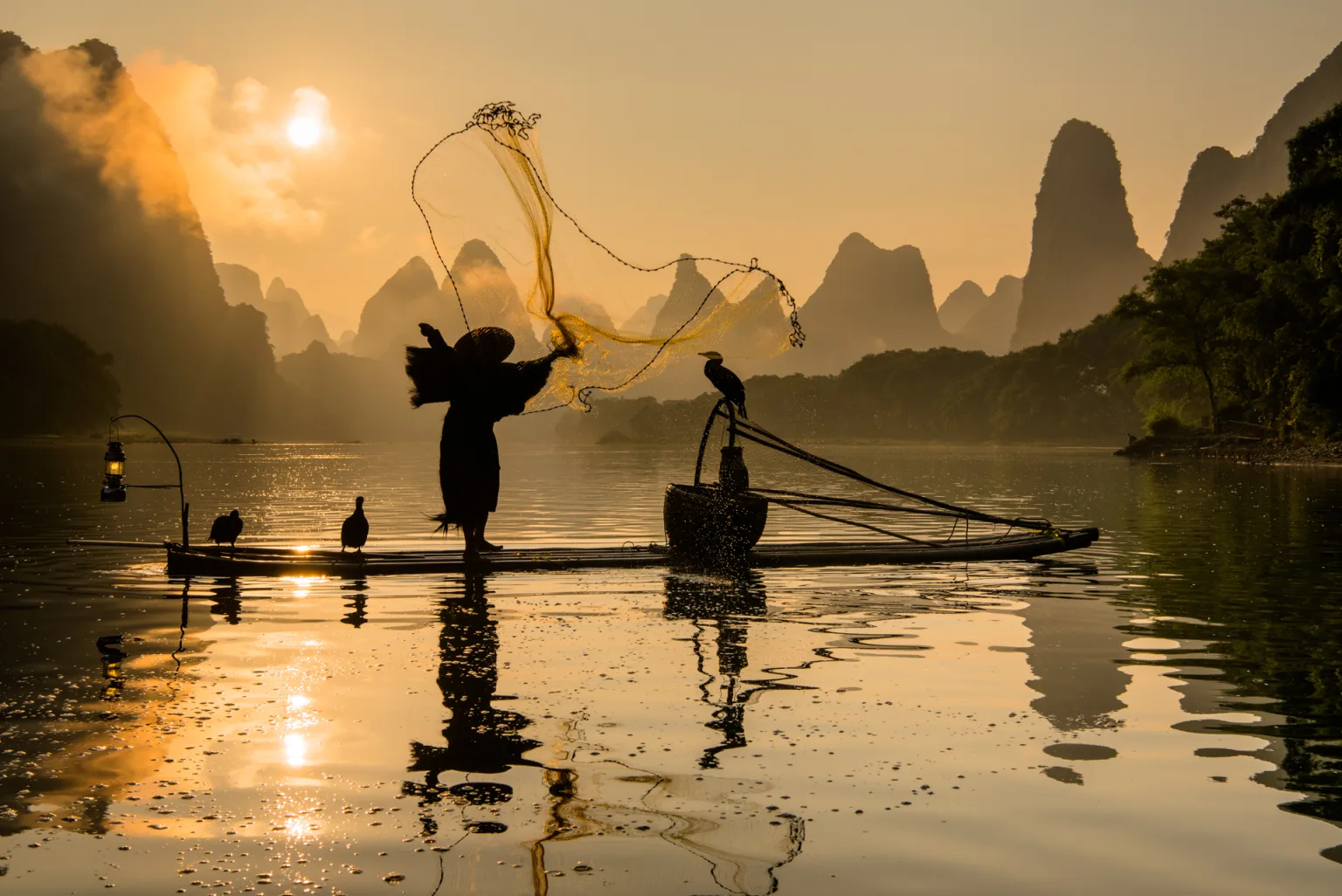
Andrea Angrisani photographs people the way most of us experience them in real life: quietly, without interruption, and with deep respect.
From one country to another, he slips into the rhythm of everyday life and brings back something rarer than “travel images” — small fragments of truth: a glance, a gesture, a moment of kindness. His portraits are minimally altered, intentionally imperfect at times, because authenticity matters more than polish.
In this interview, Andrea shares what drives his humanist approach, how travel and culture shape his eye, and the practical choices that help him stay discreet while letting the story lead.
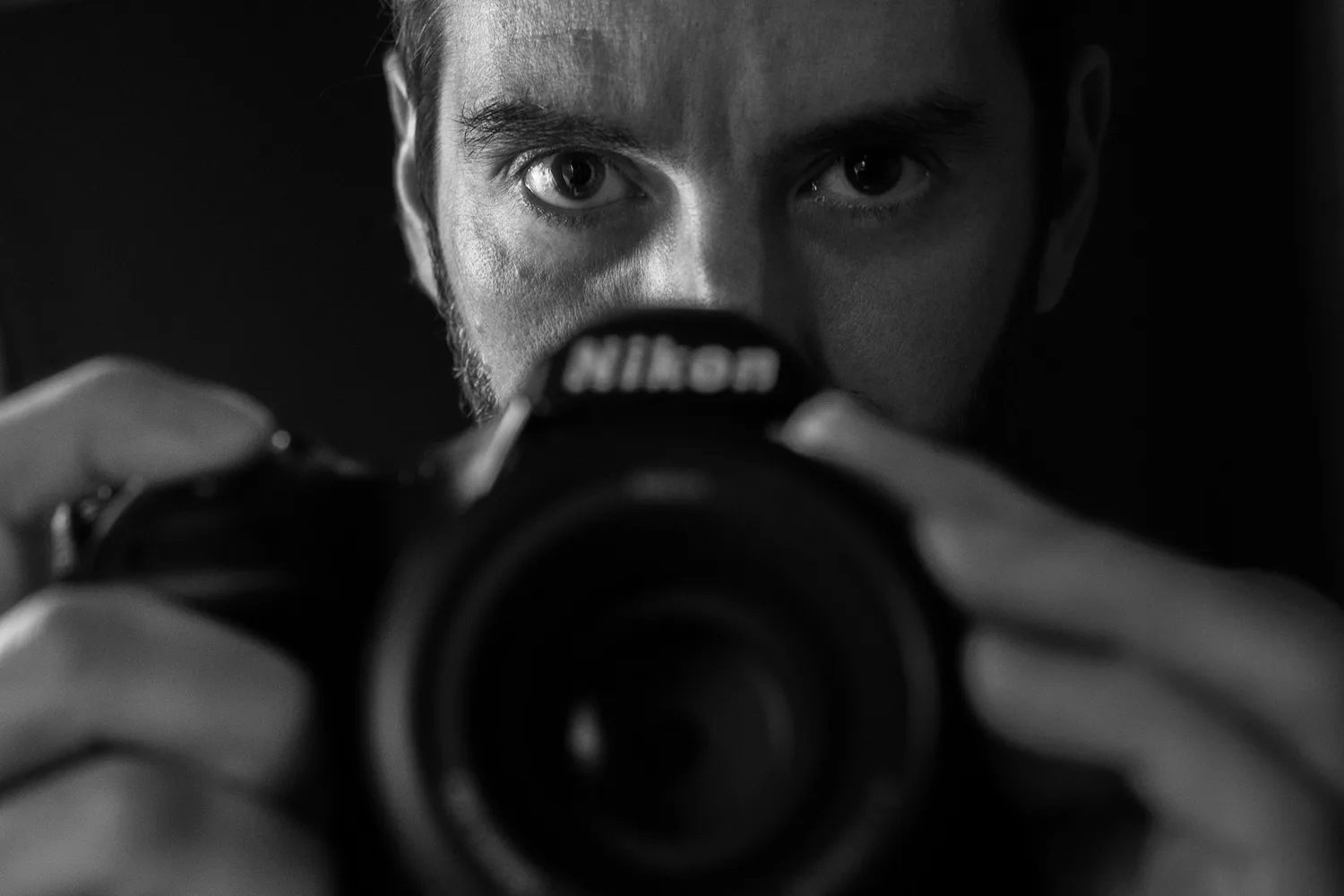
A Portraiture Journey with Andrea Angrisani: Bridging Cultures Through People
What first sparked your passion for portraiture and photographing people across diverse cultures? We’d love to hear more about your journey.
With my photographs, I want to show the beauty of humanity, which I believe lies in the diversity of people, the colors of cultures, and the small imperfections that make each person unique and unrepeatable. Thus, with my photographs, I try to build bridges to other cultures. My photos invite the viewer to reflect, to recognize themselves in others, to rediscover the wonder in the small, everyday things. So, shot after shot, I try to give the world small fragments of life, demonstrating that humanity, despite everything, remains extraordinarily beautiful.
“I try to give the world small fragments of life, demonstrating that humanity, despite everything, remains extraordinarily beautiful.”
You still seem to be proud of your origins, how have your hometown of Bologna and your Italian identity influenced your work, and how do they continue to shape it today?
Actually Bologna isn’t actually my hometown, I feel it as if it were, living here for over 30 years. Bologna is a wonderful city with a vibrant cultural scene and constant intellectual stimulation, which have undoubtedly influenced me artistically. Furthermore, the presence of its ancient university also gives it an increasingly cosmopolitan spirit that fosters the fusion of different artistic styles and languages.

Stories, Travel, and Immersion Beyond the Tourist View
You’ve traveled to many countries, yet your images often capture people with a sense of universal human simplicity. Is that an intentional choice, and why?
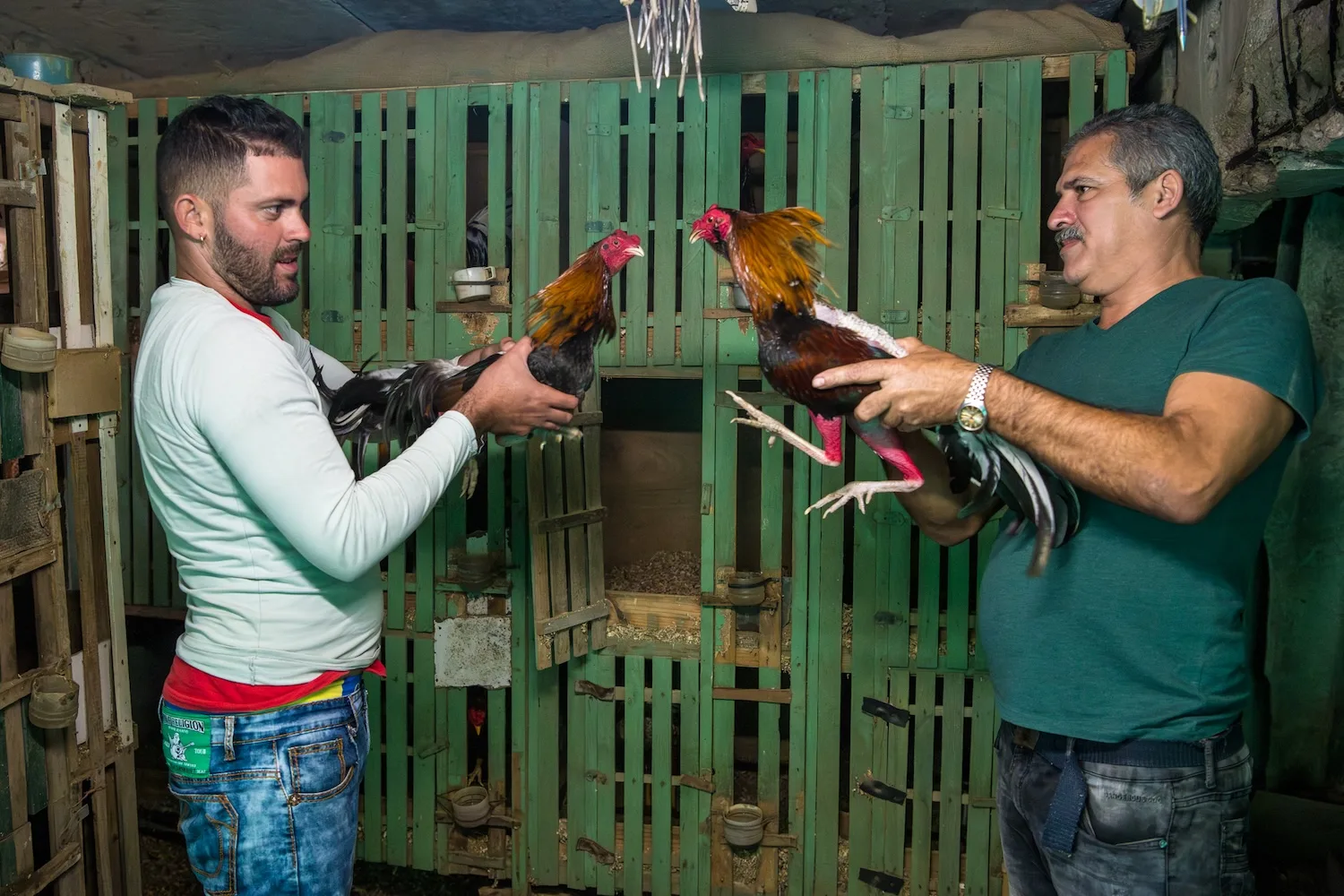
Absolutely, capturing a sense of universal human simplicity in my images is a very intentional choice. By focusing on simple, honest moments, I hope to highlight the common thread of humanity that binds us all together. I believe that in these moments—whether it’s a quiet smile, a candid glance, or a gesture of kindness—we see ourselves reflected in others, making the world feel a little smaller and more connected. My goal is to create images that transcend cultural or geographic differences, inviting viewers to relate to the subjects on a deeply human level.
“By focusing on simple, honest moments, I hope to highlight the common thread of humanity that binds us all together.”
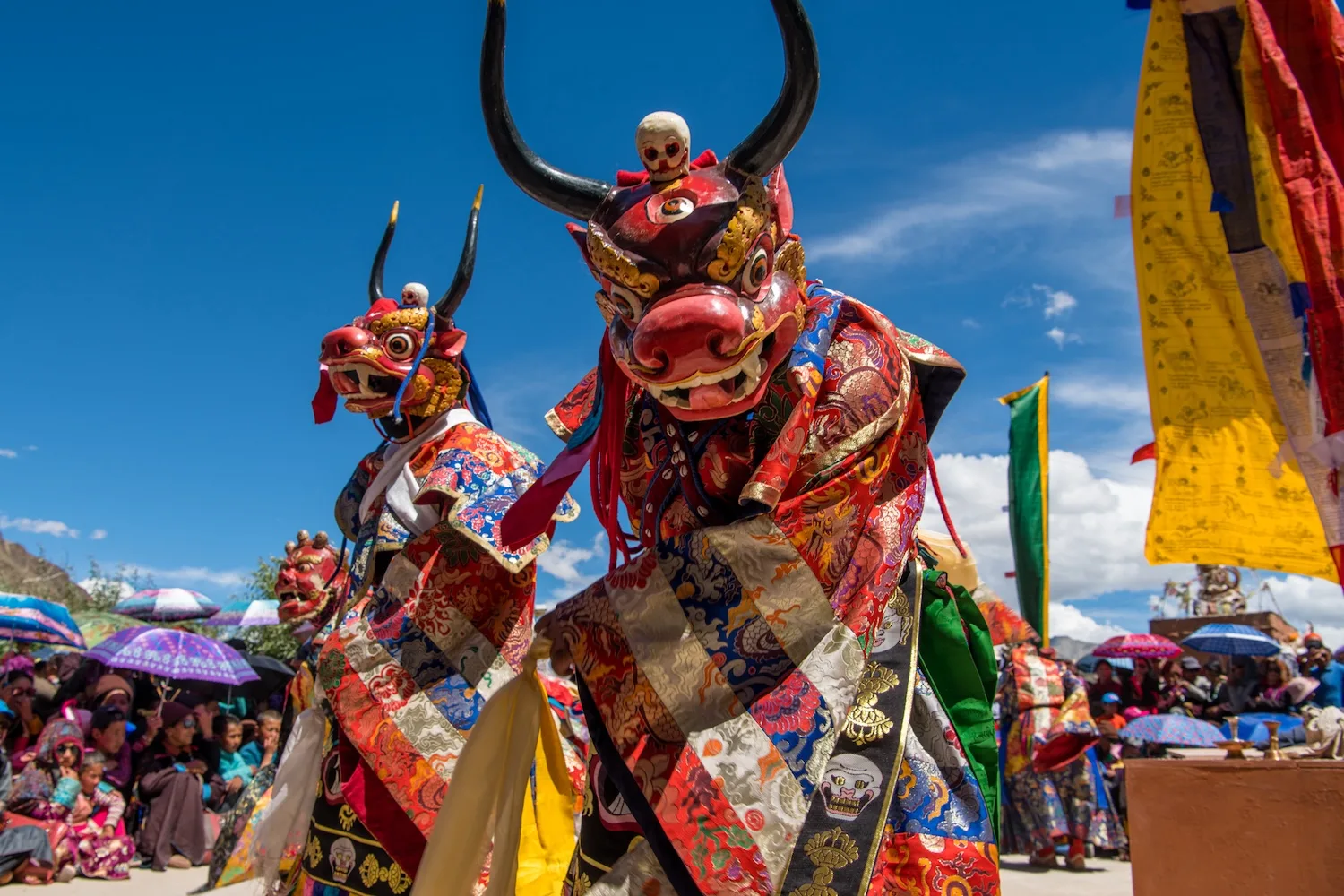
Your photos and accompanying descriptions seem to tell stories, capturing the soul and life of your subjects. Do you see yourself more as a storyteller or as someone with an educational purpose in mind?
My intent is to invite people into the stories behind each image, allowing them to connect with the subjects on a deeper level. Otherwise, the risk is that viewers will limit themselves to an aesthetic judgment of the individual photograph, understanding little of the story of the people behind it.
As both a tour leader and photographer, what draws you to a new country, and did one role inspire the other?
As a photographer, what draws me to a new country is the opportunity to experience cultural traditions different from our own and to capture unique and authentic moments through my camera. I’ve always tried to immerse myself more deeply, seeking out interesting stories or situations beyond the typical tourist experience, and that’s what I do when I lead tours as well.
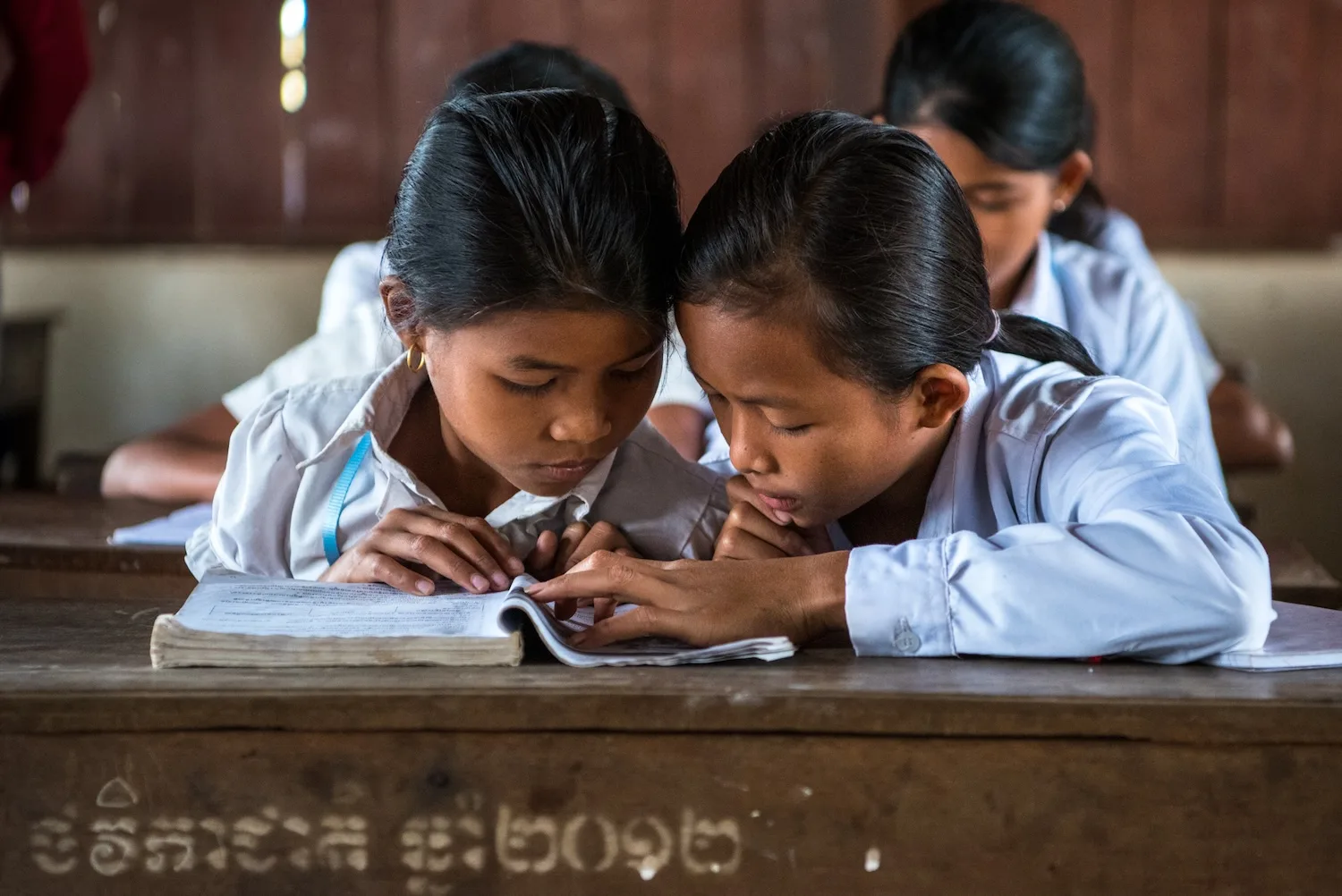
Discreet Portraits in Real Life: Gear, Consent, and Cultural Challenges
If we take a step back, what first led you to become a photographer? Do you have any personal stories you’d like to share?
As a child, I occasionally played with my father’s old camera and was curious to understand how the light meter and manual focus worked. A few years later, I received my first film camera as a gift, and I began taking photos during vacations and at every special occasion. From that moment on, my passion for photography grew daily.
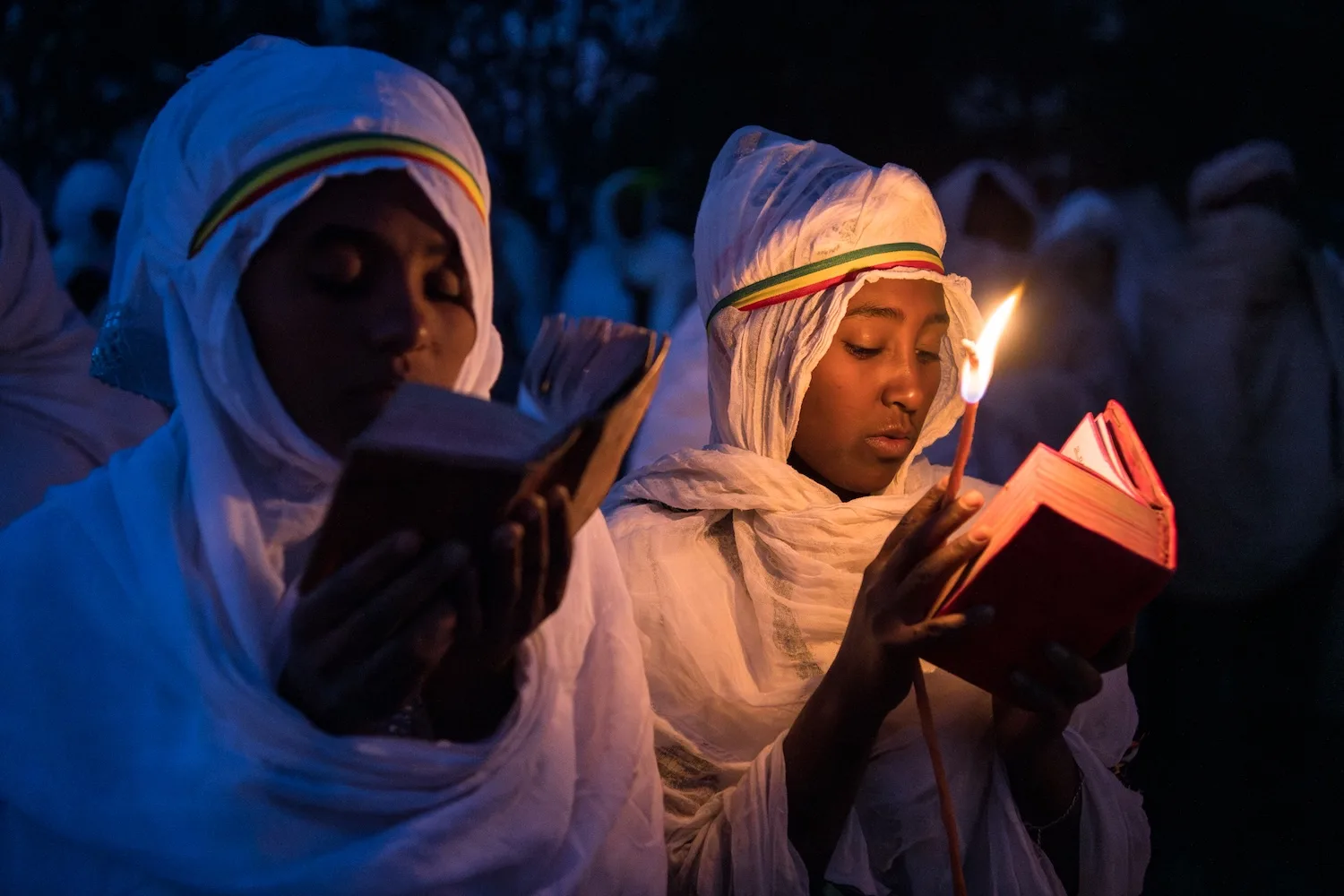
You often capture spontaneous portraits. What type of equipment do you rely on most for these shots, especially when you need to stay discreet?
I always use my DSLR camera because I believe you should focus more on the human connection than on “invisible” equipment. Most of the time, people are so focused on their own activities that they aren’t disturbed by my presence. Other times, they might stop to say hello and exchange a few words, but after a while they go back to what they were doing, and at that point it becomes very easy to photograph them. There are also times when people make it clear they don’t want to be photographed, and that should be respected.
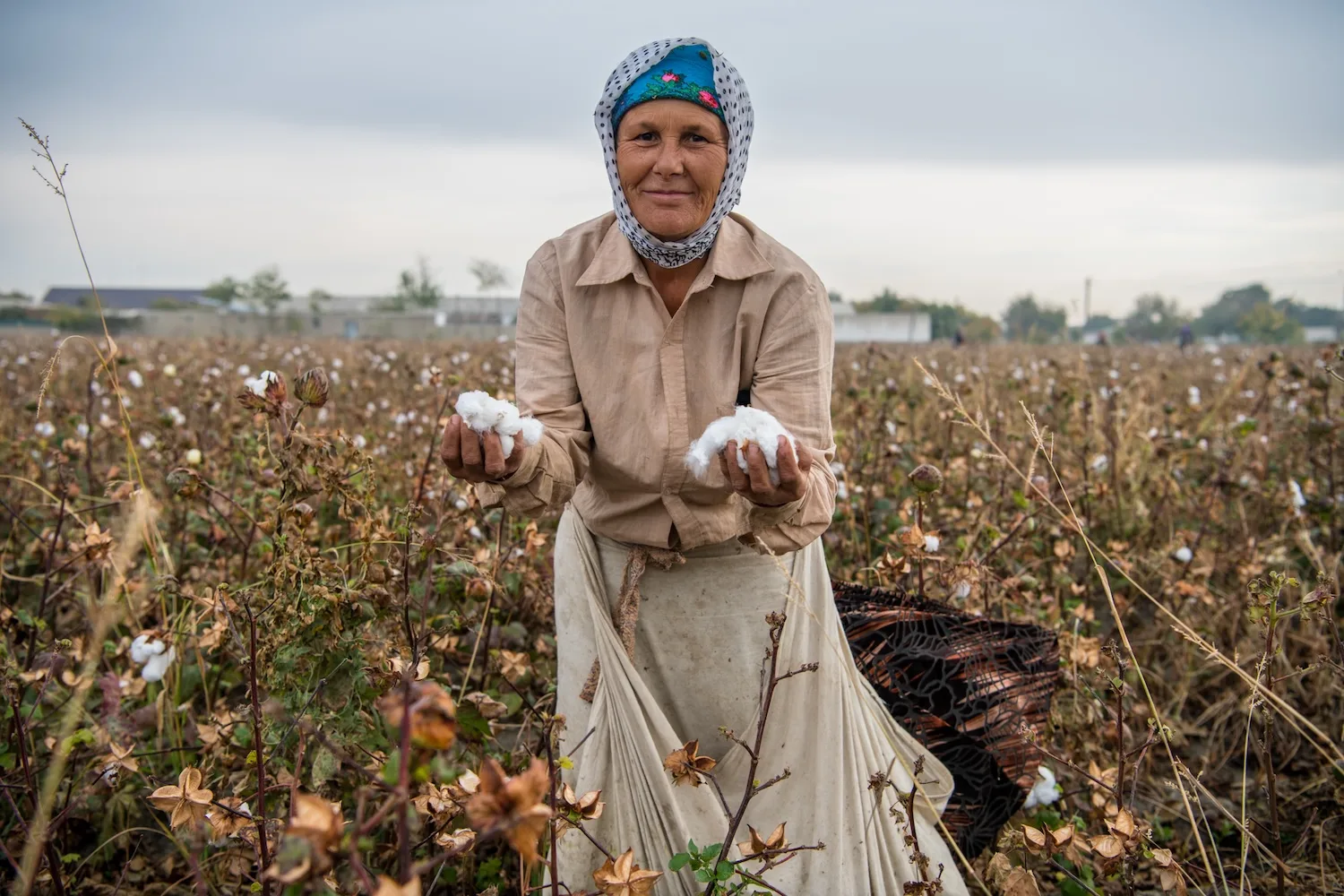
What’s the most challenging cultural situation you’ve faced while photographing abroad, and how did you handle it?
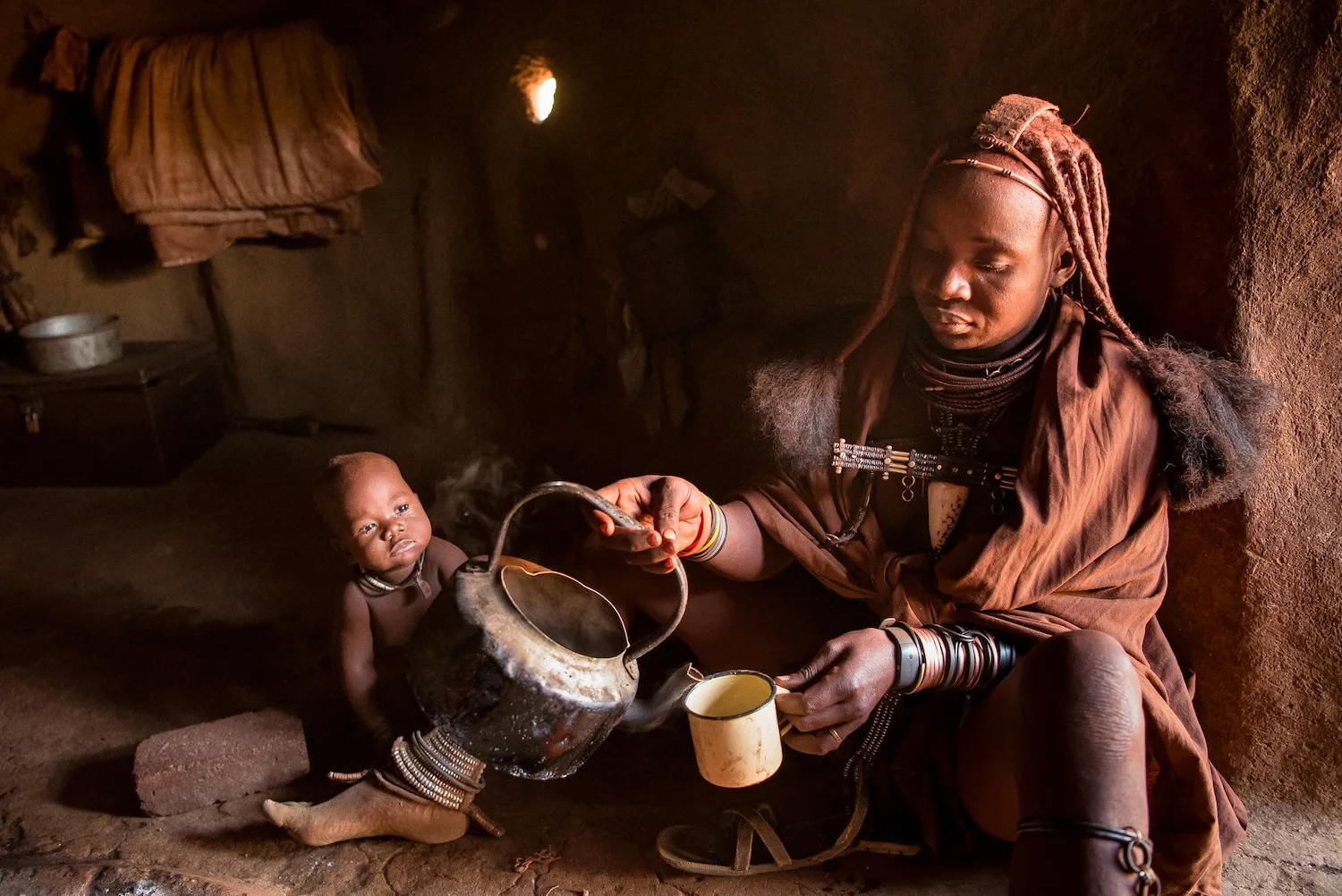
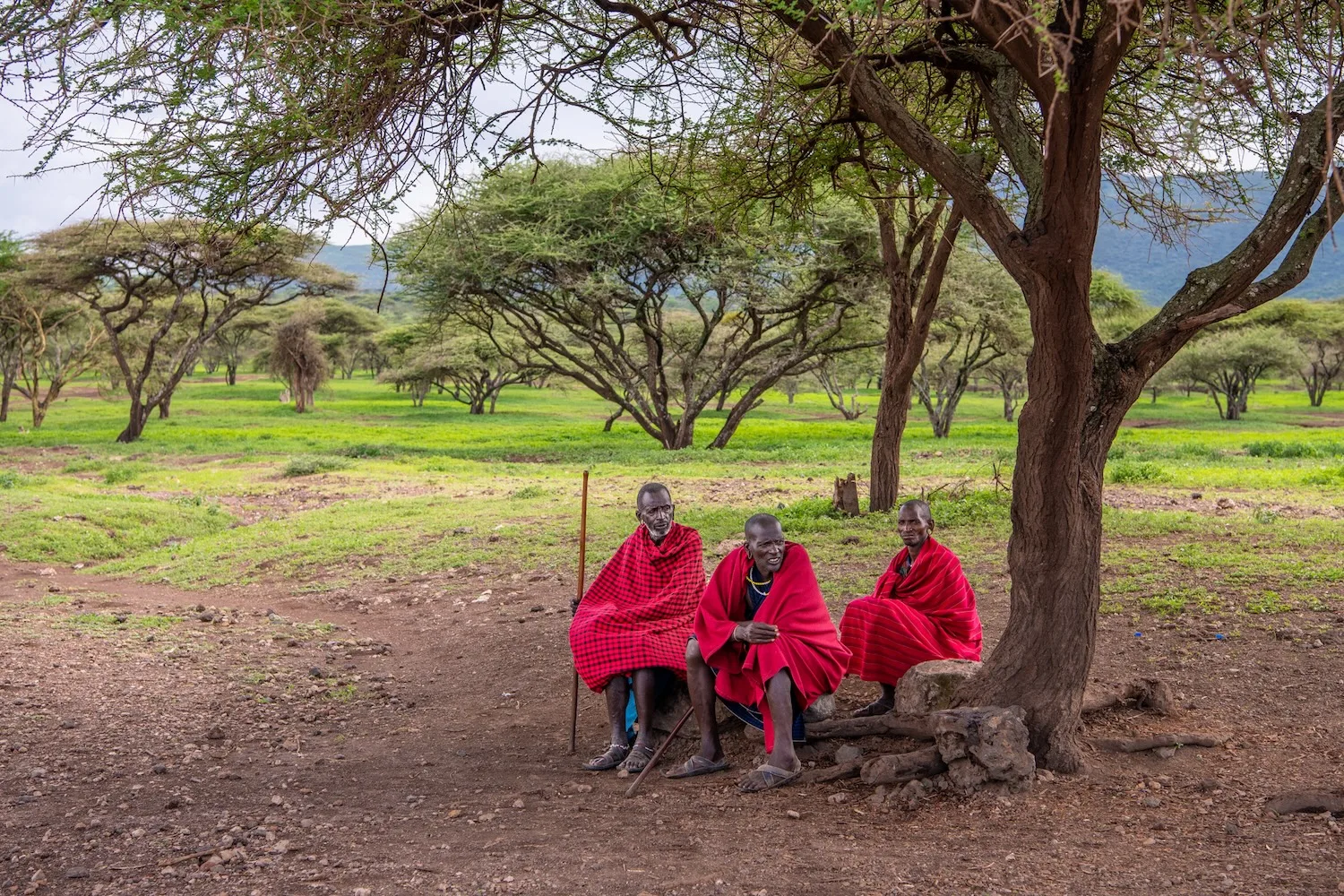
In Africa, some people who still live in tribes have become accustomed to being paid to have their photographs taken. For this reason, besides being extremely difficult to take candid photos, even just walking around with a camera in hand was stressful because, as soon as they saw it, I was immediately surrounded by dozens of people insistently asking to be photographed in exchange for money. The solution was to stay overnight in the villages with them for several days, so that they could get used to my presence.
Minimal Editing, Smart Organization and Advice for Young Photographers
As we said, your work feels raw and authentic. Do you make extensive edits in post-processing? If not, what is your intention in keeping them as they are? If yes, what do you aim to express through these edits?
I believe photography must absolutely convey the feeling of being real, and to be believable, sometimes even the presence of some imperfections is acceptable. For this reason, I perform limited post-production in Lightroom, improving the brightness or colors of a shot, or little else, but I avoid more invasive edits because I believe they would somehow falsify the photograph, making it appear as if it were something it isn’t.
Furthermore, if today we seek perfect images, it no longer makes sense to travel halfway around the world to take photographs and then correct them at home with extensive post-production. Artificial intelligence-based image generation could be used to achieve even better results.
When you return from a trip with thousands of photos, what’s your process for organizing them? Do you follow a specific system or let it evolve naturally?
When you have thousands of photos to organize, it’s essential to be well organized, otherwise it becomes very difficult to find a specific picture. Every photographer has his own needs, and for this reason, I don’t believe there’s a single method that’s better than another; you just need to have your own. Personally, I divide my photos into folders for each place I took them and add specific tags to the most interesting ones, making it much easier to find photos even if they were taken many years ago.
Do you have any recommendations for solutions that help you manage and run your photography business?
Every photographer has their own way of thinking and managing. My advice, however, is to periodically reflect on your weaknesses and then try different solutions to address them. Fortunately, today there are several tools and solutions that help simplify and improve your workflow and business. I occasionally try new software because there’s always the chance of finding the right one for your needs.
For example, I recently started using Peakto software and I have to say it exceeded my expectations regarding image search by keyword and integration with Lightroom.
Finally, what advice would you give to a young photographer who dreams of capturing street life and everyday moments around the world?
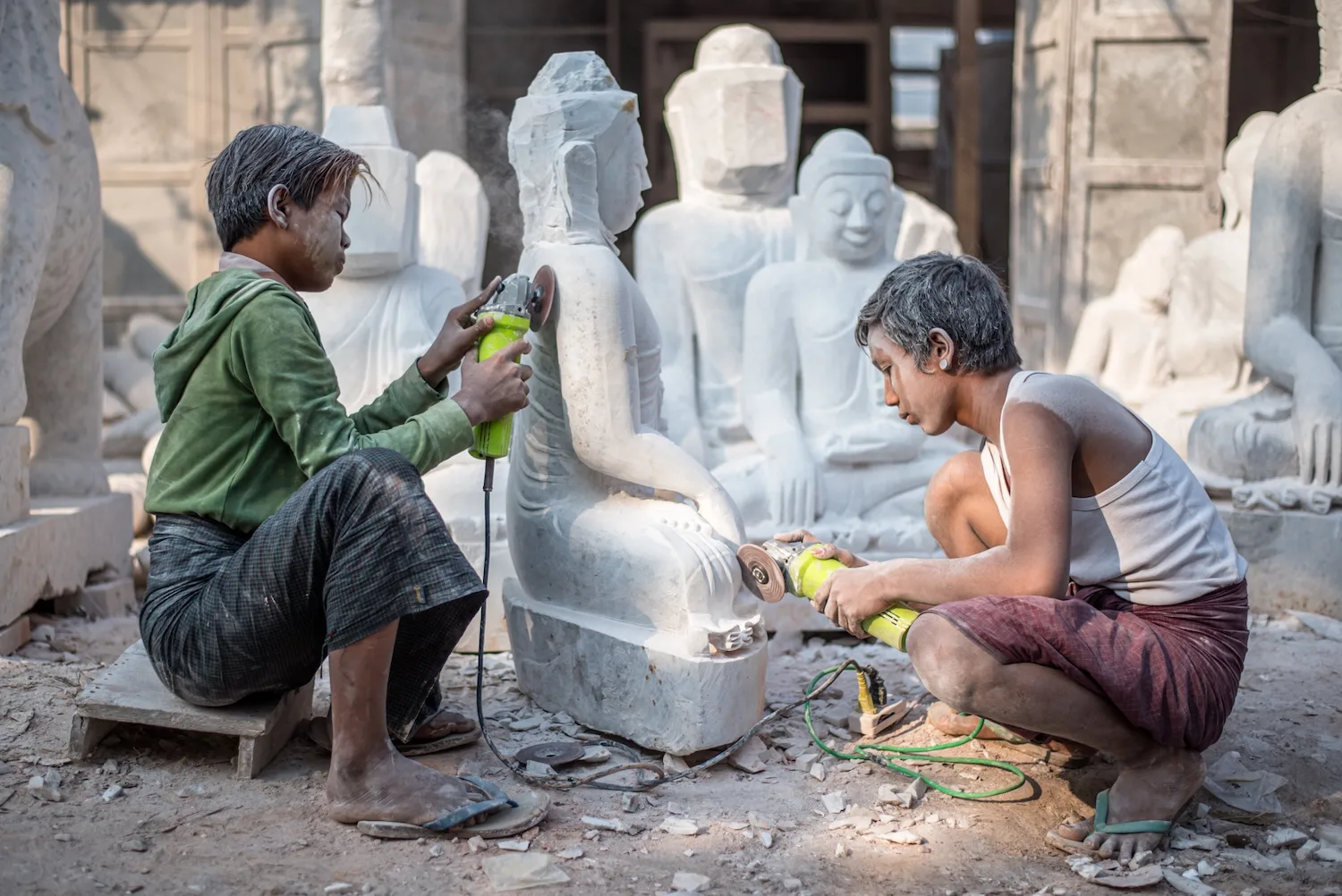
To see more of Andrea Angrisani’s portraiture and travel photography, you can follow him on his Instagram.
Photo credit: © Andrea Angrisani