


For Nina, landscape photography begins in those rare moments when light, weather, and place align — when fog transforms a familiar view, when sunrise softens the landscape, and when the ordinary suddenly feels unreal.
Based in Slovenia, she has shaped her photographic vision around patience, atmosphere, and the joy of chasing conditions most people never see. Her images are not only about beautiful landscapes, but about the emotion of being there at the right moment — before dawn, in the mist, when everything feels suspended.
In this interview, Nina shares what keeps her pursuing photography today, why fog has become such a defining element in her work, how returning to the same places deepens her understanding of them, and why organizing an archive is also part of building a lasting creative practice.

Exploring the Magic of Landscape Photography in Slovenia
What keeps you pursuing photography today? What do you deeply love about this work, and what do you hope people feel when they look at your images?
What keeps me pursuing photography today is that joy of chasing rare conditions and witnessing moments most people never see. It is so exciting to arrive at a location before sunrise, not knowing what awaits, and suddenly standing in front of a scene that feels unreal.
What I deeply love about photography is the combination of curiosity, unpredictability, and artistic expression. For me, the real magic is in the hunt of those rare moments when everything aligns.
When people look at my images, I hope they feel both awe and joy. I want them to truly notice how extraordinary the landscapes around us can be. Even familiar places can become magical under the right conditions, and I love sharing that perspective.
“What I deeply love about photography is the combination of curiosity, unpredictability, and artistic expression.”

Fog appears in almost all your photographs — what does it bring to your vision that clear light never could?
Fog became an important part of my photography largely because of where I live. In central Slovenia, fog appears very often especially during autumn and winter. I became fascinated by the idea that fog could completely transform ordinary places into something extraordinary. That curiosity led me to locations like Sveti Tomaž, Jamnik and many others, where I began chasing those surreal moments for myself.
For me, fog is not about hiding the landscape, but it is about revealing its beauty differently. It is like a blanket of magic surrounding real places, transforming them into something more minimal, rare, and emotionally powerful.


There is a particular kind of light you seem to chase — that moment between night and day, when everything feels suspended. Why is that atmosphere so precious for you to capture?
I have always been drawn to that window between night and day because it feels like the world briefly becomes something more extraordinary than usual. Full daylight is familiar; it is what everyone sees every day.
But sunrise and sunset offer something rarer. Morning often brings softness, mist, and mystery, while evening can create dramatic skies, long shadows, and intense contrasts.
I am fascinated by what light does to a landscape. It acts almost like a spotlight, revealing or enhancing elements that might otherwise go unnoticed. It can transform an ordinary landscape into something visually unforgettable.

How Nina Lozej Captures Slovenia Through Light, Weather, and Time
You photograph the same places again and again — Lake Bled, Sveti Tomaz, the viaducts in the fog. What are you still looking for in these landscapes you know so well? Is it the search for an image, an emotion… or something harder to name?
While I love exploring new and lesser-known parts of Slovenia, there is something rewarding about revisiting special locations through different seasons, weather patterns, and light.
What I am really searching for is not a single perfect image anymore, but a deeper understanding of place over time. Returning makes me happy because each visit holds the possibility of seeing something differently.
Through years of returning, learning, and understanding these landscapes, I have developed the kind of insight that I now want to share through my project, Slovenia Photography Tours. My goal is not simply to take people to beautiful places, but to help them experience those places under the best possible conditions, using my knowledge that comes from years of exploration. In that sense, revisiting landscapes has become both storytelling and expertise.

If your ten most meaningful images formed a series — a real series, not just a selection — what emotion would connect them all? And how would you name it in your own words?
The emotion connecting my most meaningful images would be a combination of awe, wonder, and joy. I think all of my strongest photographs, no matter where they were taken, are rooted in that same feeling — the experience of witnessing something visually extraordinary and wanting to preserve it.
In the beginning, photography was often about sharing where I had been. Now, it is much more about expressing how I see the world, how weather, light, mood, and timing can transform ordinary landscapes into something emotionally powerful.
If viewers were to experience these images as one series, I would want them to feel inspired and more aware of the extraordinary beauty that surrounds us.

If you compare your first images of Slovenia with your most recent ones, what has evolved — in your vision, your way of working, your choices? How would you describe that transformation?
When I look back at my first images, I can see that the foundation was already there. I always had a strong eye for interesting subjects, beautiful light, and visually compelling scenes. What was missing was refinement. In the beginning, I was capturing things that were beautiful on their own, but I was not yet thinking about the deeper interaction within a photograph.
Over time, I evolved through patience, better compositional awareness, stronger editing skills, and a better understanding of weather patterns. Early on, I often rushed, paid less attention to camera settings, and sometimes sacrificed sharpness or balance simply because I was too excited by what I was seeing. Now I stay calm, take my time, observe more carefully, and approach each scene with greater intention.
Even my editing philosophy evolved. I used to be drawn to stronger contrast, exaggerated drama, and more saturated colors. While I still love drama, I now aim for a more honest and natural expression, enhancing what was truly there rather than creating something artificial.

Inside Nina Lozej’s Photography Archive and Creative Workflow
Over the years, you have probably accumulated a large body of images across seasons and places. How do you keep a clear vision of your work over time? Do you ever get “lost” in your own archives?
Over the years, my archive has grown into many tens of thousands of images, covering more than a decade of changing seasons, locations, and personal evolution. For me it feels more inspiring than chaotic because organization has always come naturally.
I see my archive as a collection of memories, experiences, and proof of growth. When I revisit older folders, I am not only looking for forgotten images I may have overlooked, but also reconnecting with earlier versions of myself as a photographer. Old photos often remind me of what inspired me at the time.
Managing an archive is definitely a separate skill from photography itself. Simple habits (transferring files immediately, organizing consistently, maintaining backups etc.) are just as important as artistic vision if you want your work to remain meaningful over time.

What are your three essential habits or reflexes for organizing, finding, and giving meaning to your images over the years?
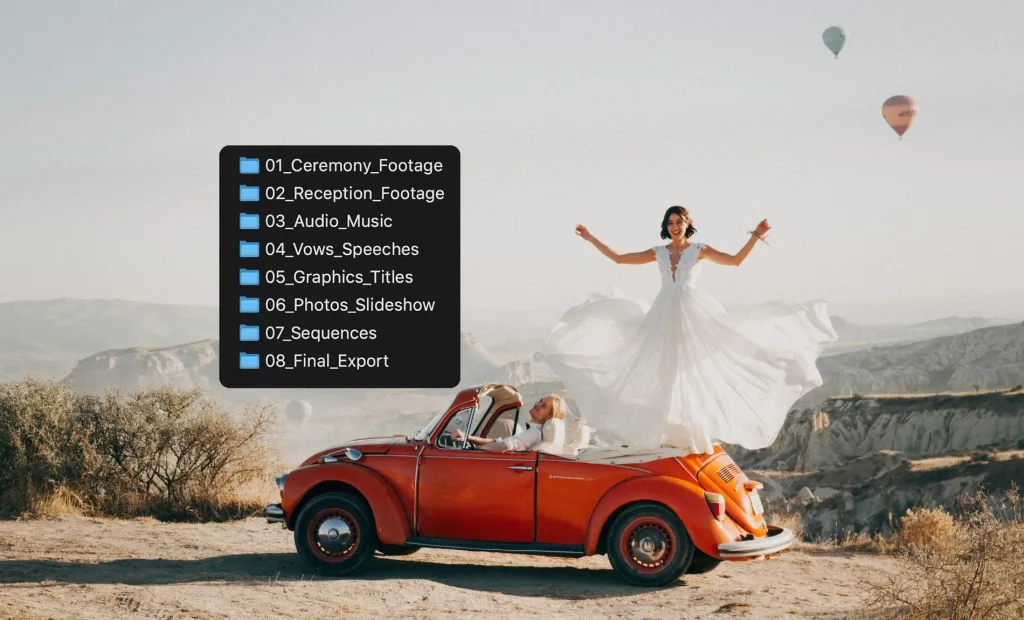
I follow a simple but very consistent workflow that helps me keep my images organized and meaningful over time. The moment I return from a photoshoot, I transfer all files from my SD cards to my computer. At the same time, I recharge batteries and prepare my gear for the next outing. This keeps everything ready and prevents any buildup of unfinished tasks.
My organization system is very straightforward. Raw files are stored in folders named by date, which keeps everything in chronological order. Edited photos are then separated into folders based on location. This structure allows me to always find anything quickly, even years later, without relying on memory alone.
Backup and consistency are also essential. I make sure to transfer and back up my files regularly because protecting the work is just as important as creating it.

Looking back, what is one thing you wish you had understood earlier about managing your images and your work?
What I wish I understood earlier is how important structure and timing are in photography, not just in the field, but especially after the shoot. In the beginning, I often edited too quickly and didn’t have a clear system for managing my files. I relied too much on memory, which becomes unreliable once you build a large body of work.
Today, I see photography as much more than just going out and taking photos. The real work happens in how you manage, select, edit, organize, and share your images. Having a solid system is what allows creativity to accumulate into something lasting.

For Nina, photography is a way of looking longer — returning, waiting, observing, until light, fog, and landscape reveal something unexpected. Her work reminds us that even familiar places can still surprise us, when we give them time to transform.
To discover more of Nina’s images, follow her upcoming explorations, and step into her world of misty landscapes, suspended light, and rare moments, you can follow her work on Instagram.
Photo credit: © Nina Lozej