


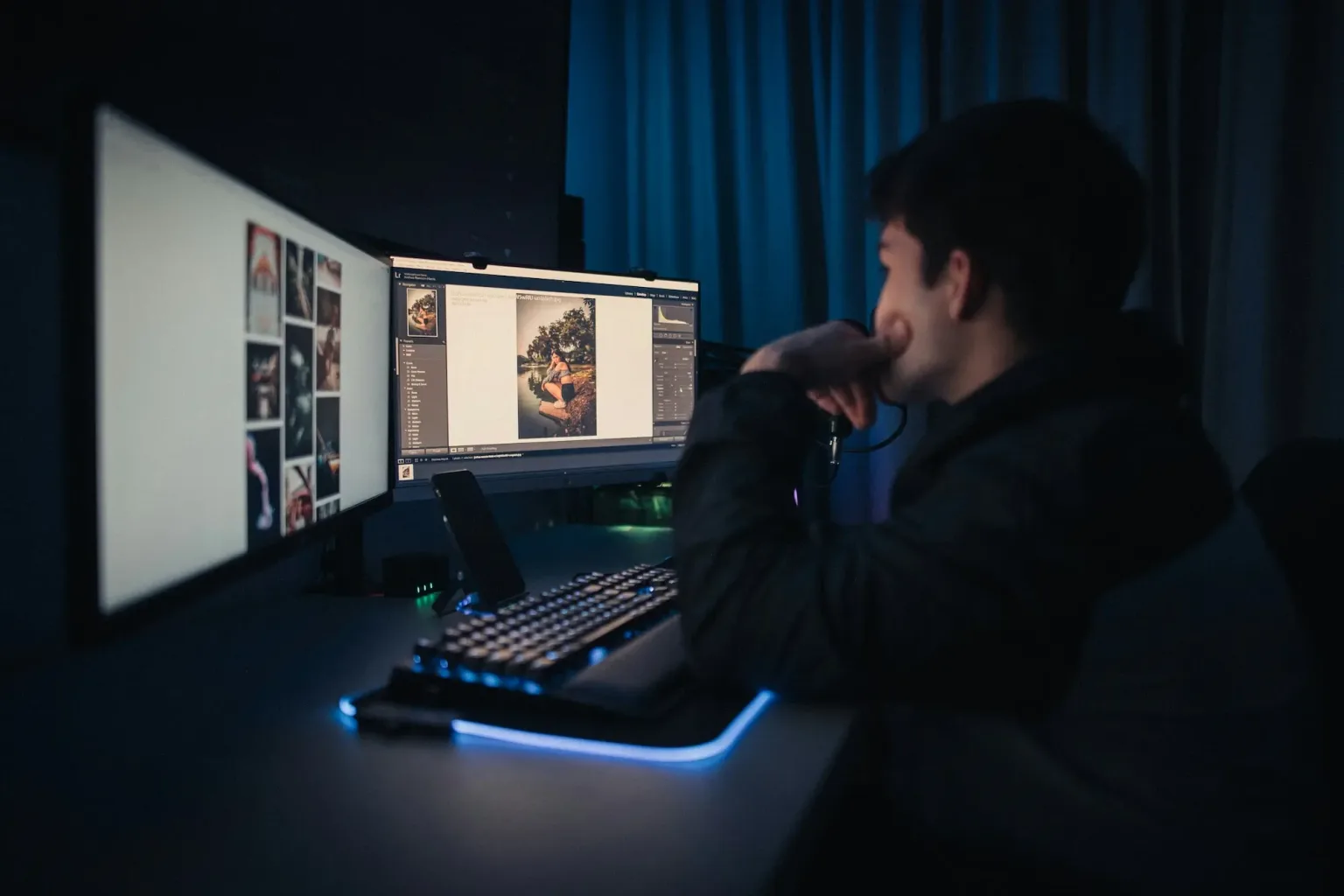
While you’re learning the editing basics, finding the best computer for photo editing is one of the most common challenges for beginners and amateur photographers. Faced with specs, prices, and marketing jargon, it’s easy to believe you need an expensive professional machine before you can edit photos properly.
The reality is simpler: you don’t need the most powerful computer—you need the right balance for learning and enjoying photo editing.
Before comparing hardware, it helps to understand the bigger picture: to make confident editing decisions, start with the editing basics—then refine exposure (often using the histogram in photography), correct color through white balance editing, shape the image with contrast editing, and finish with saturation in photography. A good computer simply makes that learning process smooth and frustration-free.
Before even thinking about specs, one thing already helps enormously: having your photos organized and easy to browse. Photo organizer like Peakto help beginners gather images across folders and drives, so editing starts with clarity instead of confusion.
Quick Answer : Which Computer Is For You ?
For beginners and amateur photographers, the best computer for photo editing is one that:
- runs smoothly with RAW files
- has enough RAM to avoid slowdowns
- uses fast SSD storage for previews and exports
- has a consistent IPS display you can trust
- lets you focus on learning instead of troubleshooting
Why Your Computer Matters for Photo Editing
Photo editing isn’t just moving sliders. Every adjustment—checking exposure with the histogram, correcting color casts, shaping contrast, or refining saturation—requires your computer to respond quickly and show reliable colors.
When a computer struggles:
- sliders lag
- previews refresh slowly
- colors may appear inconsistent
That friction makes learning harder and discouraging. Most beginners struggle more with slow computers than with editing techniques—which is why choosing the right setup early makes such a difference.
What Beginners Really Need (and what they don’t)
Many beginners think they need the latest processor with a powerful gaming graphics card and a very expensive monitor but in reality, beginner editing depends more on balance than raw power.
You need:
- enough RAM
- fast storage
- a decent, consistent screen
You don’t need:
- extreme GPUs
- professional reference monitors
- top-tier CPUs
The 4 Components That Matter Most For Beginners
1. RAM — The #1 Priority
RAM has the biggest impact on how smooth photo editing feels—especially with RAW files.
- 8 GB = OK for learning, but can feel tight
- 16 GB = The best beginner comfort level
- 32 GB = Nice, but usually unnecessary at this stage

2. Processor (CPU) — Modern, not Extreme
The CPU handles preview generation, applying edits and exporting files
- A modern mid-range CPU (Intel Core i5-14600K / AMD Ryzen 5 7600X) is plenty for beginners.
- Ultra-high-end processors (Intel Core i9-14900K / AMD Ryzen 9 7950X) bring diminishing returns early on.
3. Storage — SSD is Essential
In this context a SSD storage dramatically improves opening RAW files, loading previews and exporting images. It will definitely helps you saving time.
Recommended setup:
- SSD for system + active photos
- external drive for backups
4. Screen — Consistency Over Resolution
For beginners, screen consistency matters more than resolution.
Look for an IPS panel (better viewing angles and more stable colors), decent brightness and consistent colors from day to day
This matters because you’re learning to judge contrast and color accurately during steps like white balance and saturation.
Laptop vs Desktop for Photo Editing Beginners
| Aspect | Laptop | Desktop |
|---|---|---|
| Portability | Excellent | None |
| Ease of setup | Very easy | More components |
| Upgrades | Limited | Very flexible |
| Best for beginners | ⭐⭐⭐⭐ | ⭐⭐⭐ |
Conclusion: Most beginners are better served by a laptop. A desktop can be a great second step once you want upgrades and a dedicated editing setup.
macOS or Windows?
The short answer: both are excellent.
Choose based on:
- what you’re comfortable using daily
- which photo editing software you prefer
your budget
Most top editors run on both, so you won’t “choose wrong” here, eventhough editing on mac seems to be more frequent for creators.
Beginner Computer Configurations (2026)
These examples focus on specs, not brands, so they stay useful long-term.
Minimum acceptable setup (learning stage)
- 8 GB RAM
- SSD storage
- IPS display
- modern mid-range CPU
Recommended beginner setup (best balance)
- 16 GB RAM
- SSD (512 GB or more)
- IPS display with good brightness
- modern mid-range CPU
Overkill for beginners
- 32+ GB RAM
- high-end gaming GPU
- professional reference monitor
Common Beginner Mistakes When Choosing a Computer
You need to avoid, prioritizing CPU over RAM, ignoring screen quality, buying the cheapest model with flashy specs and forgetting storage and backups.
The goal isn’t maximum power—it’s minimum friction while learning.
How Hardware Fits Into The Editing Workflow
A beginner-friendly workflow usually follows this order:
- check exposure using the histogram
- correct colors with white balance
- shape the photo with contrast
- refine saturation
- export or share
A good computer supports this flow smoothly. If previews lag or colors shift, learning becomes frustrating—even when your edits are logically correct.
Choose Comfort Before Power
The best computer for photo editing as a beginner is one that stays responsive, displays colors consistently and above all lets you focus on learning instead of troubleshooting.
Once you’re comfortable with exposure, white balance, contrast, and saturation, your needs may evolve—and upgrading hardware will make sense. That’s often when photographers start exploring deeper pro tips for photo editing and build a setup that matches their style.
FAQ — Best Computer For Photo Editing (beginners)
Do I need a powerful computer to edit photos?
No. Beginners need balance and comfort, not extreme power.
Is 8 GB of RAM enough?
Yes to start, but 16 GB is strongly recommended.
Do I need a dedicated graphics card?
Not necessarily. Integrated graphics are often fine for beginner workflows.