


What drives a photographer to capture the perfect culinary moment? How do they transform the primal act of eating into an exquisite visual experience? For Isabelle Smolinksi, culinary photography is an intricate art form that goes beyond simple documentation. From an early love of still life painting to a profound appreciation for gourmet cuisine, the French photographer has cultivated a unique perspective that turns everyday food into stunning art. This passion, coupled with a gourmet’s palate, led to a career dedicated to showcasing the raw beauty and simplicity of food.
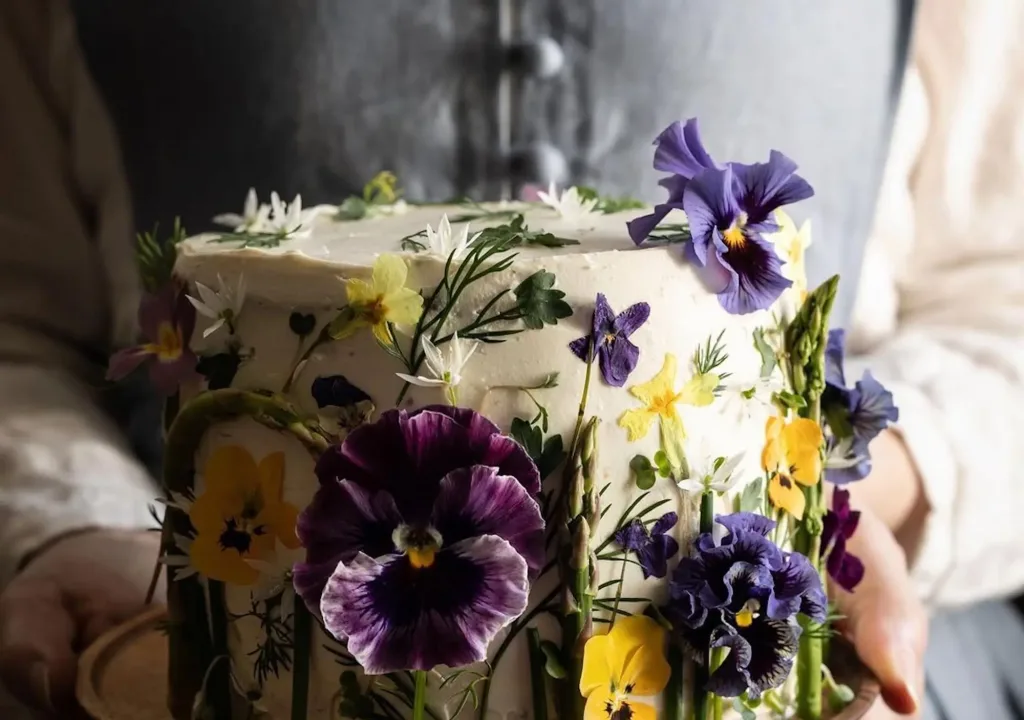
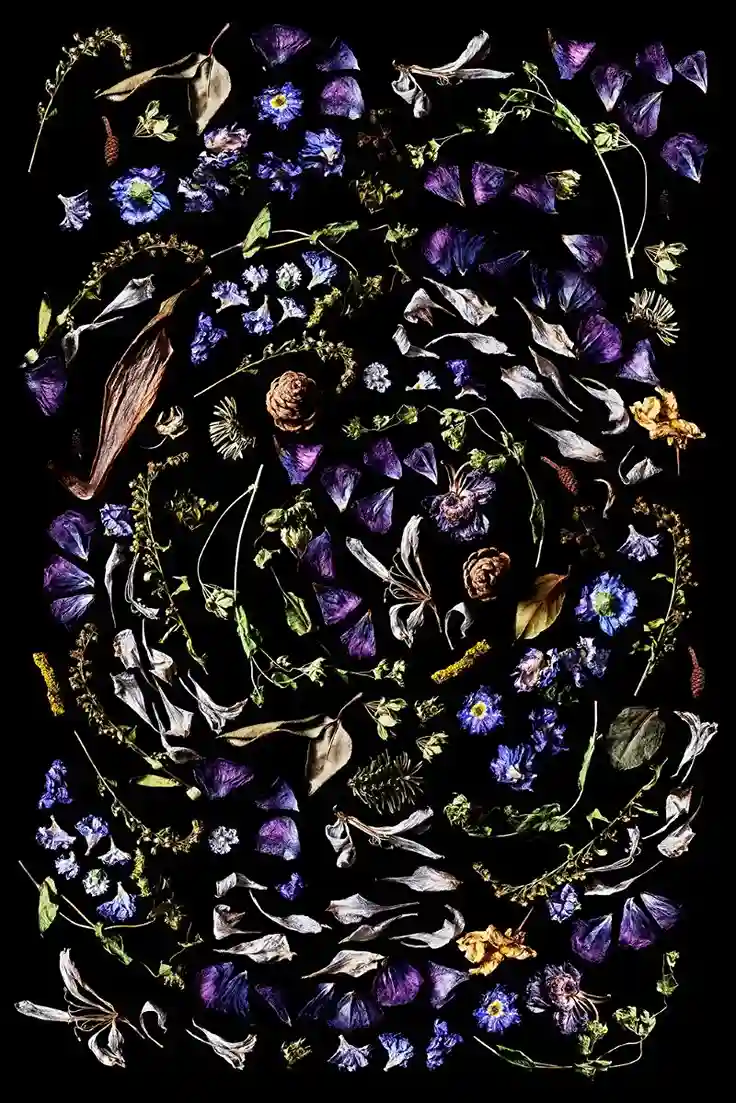
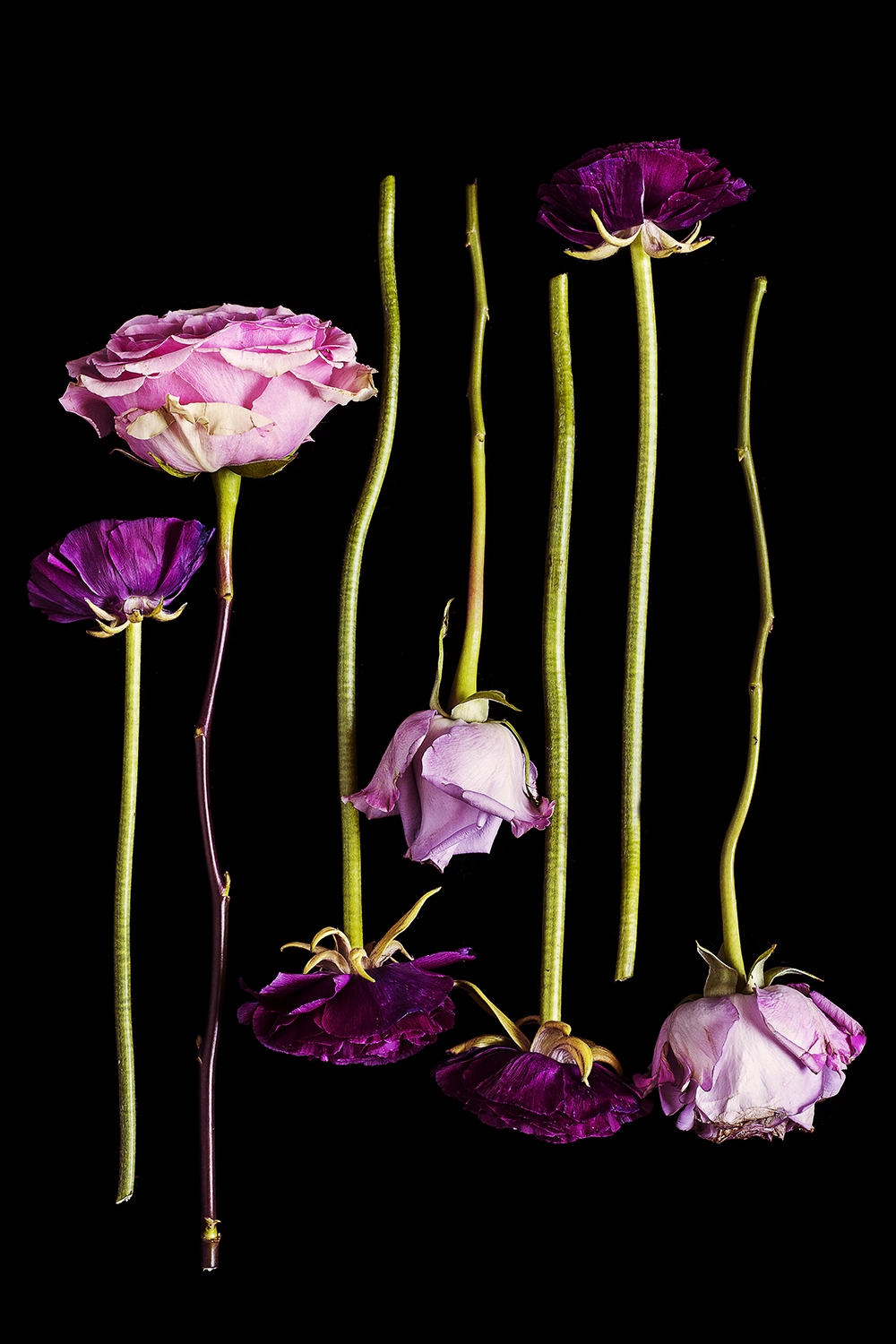
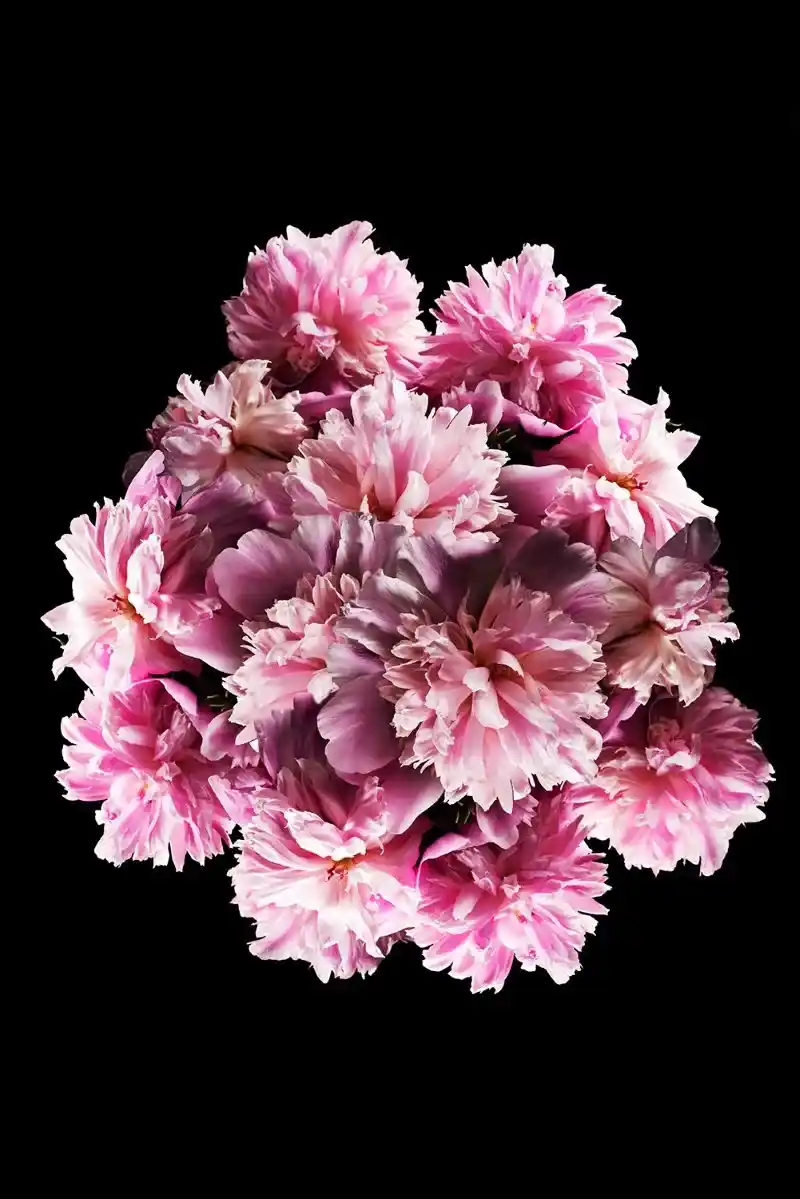
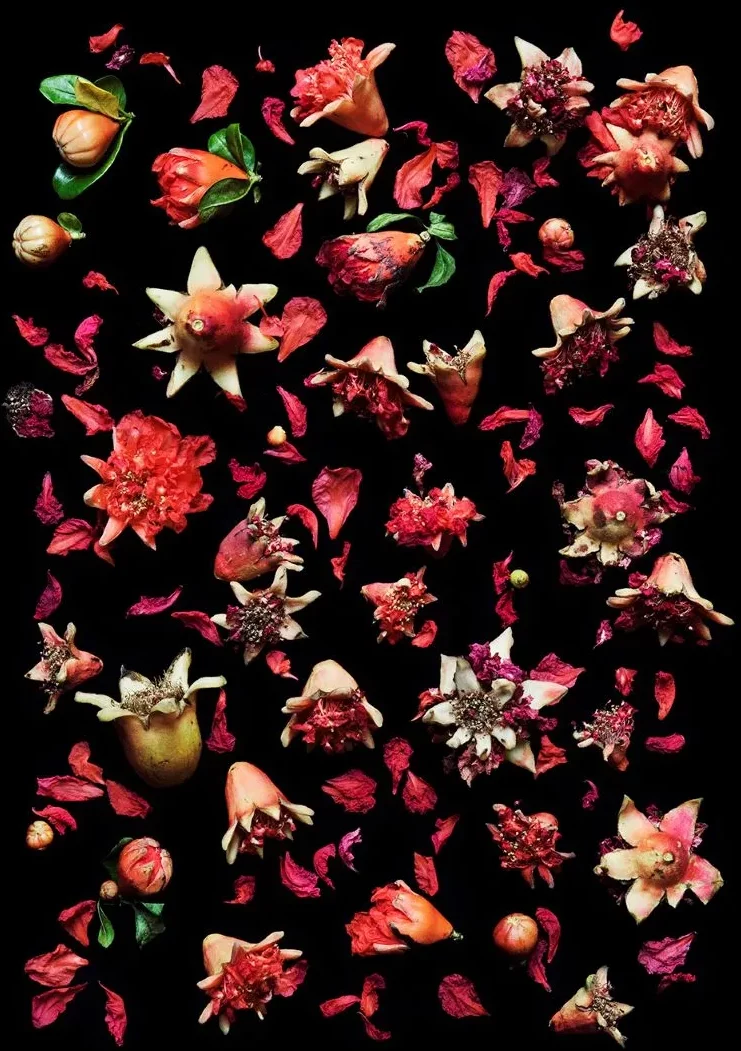
Isabelle Smolinski believes that food photography is about making something primal beautiful, seeing it as a priceless gift, and capturing its essence in the most artistic way possible. In addition to their culinary expertise, she draws parallels between floral art and food photography, both of which celebrate the vibrant gifts of nature. Their edible plant compositions often resemble the rich, detailed still lifes of Flemish painters, highlighting the extraordinary in the ordinary.
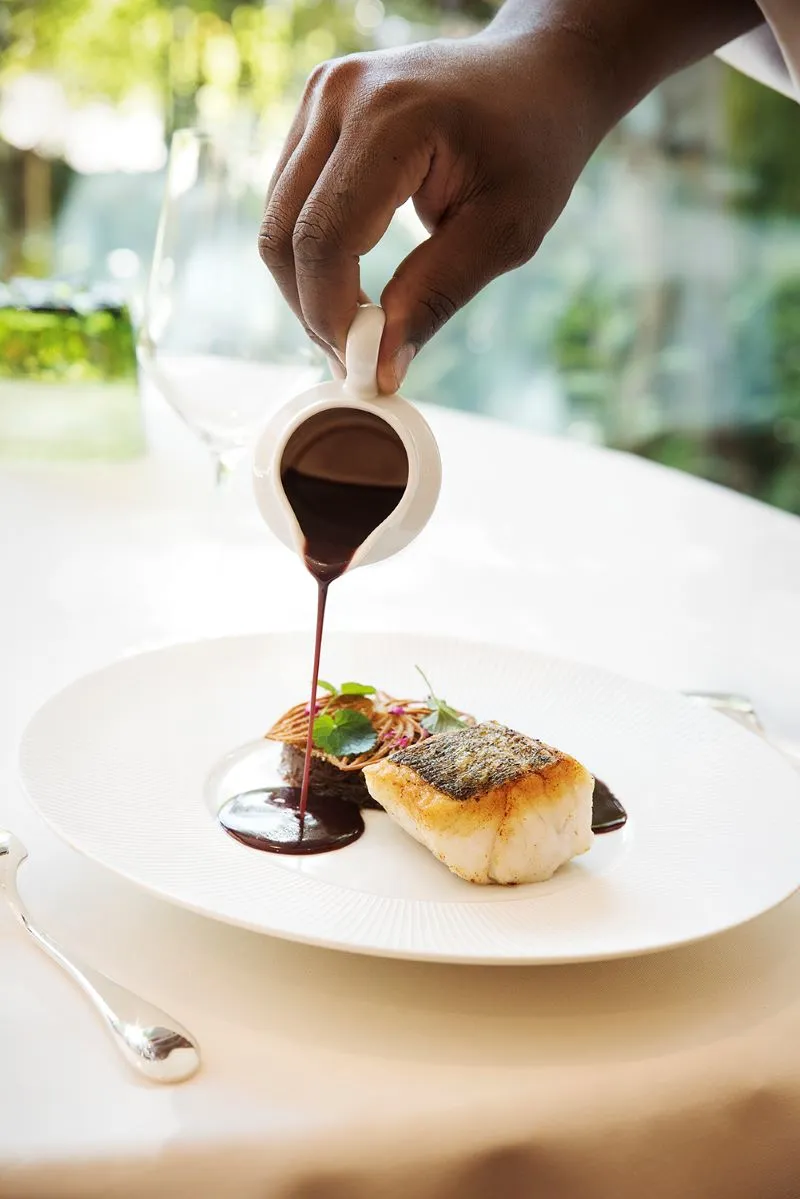
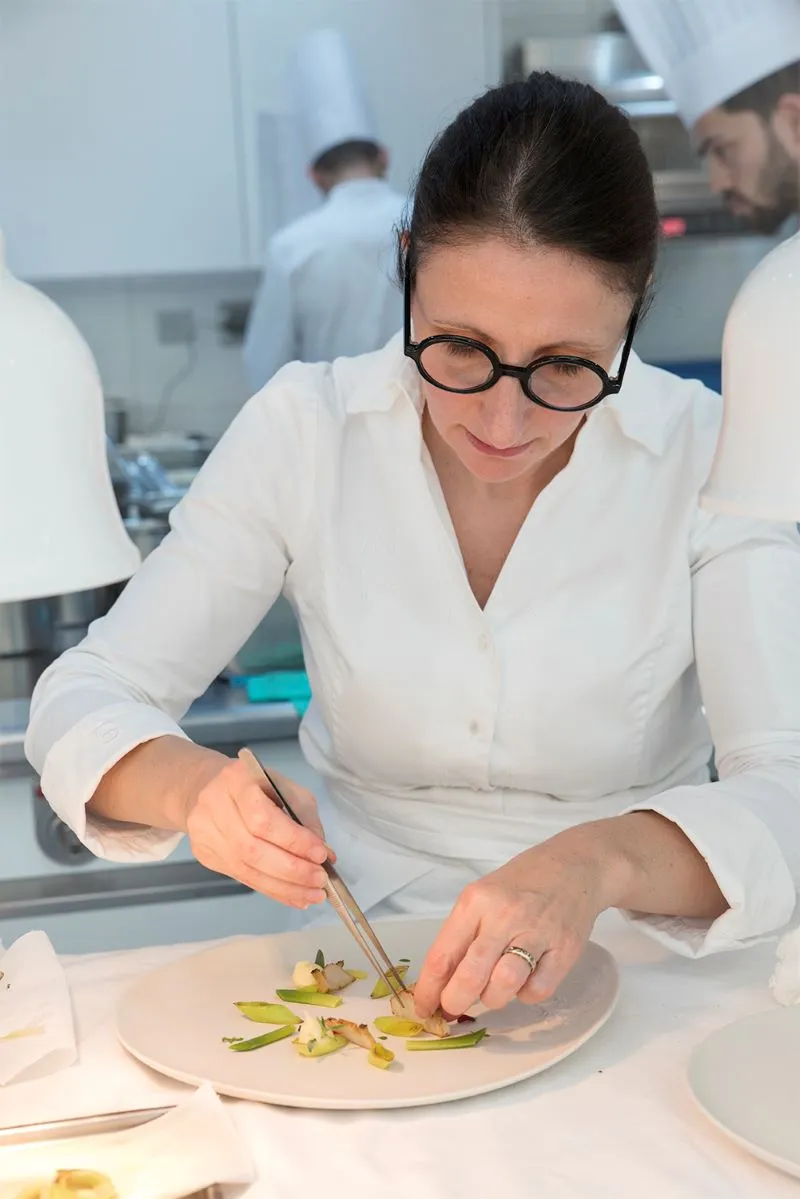
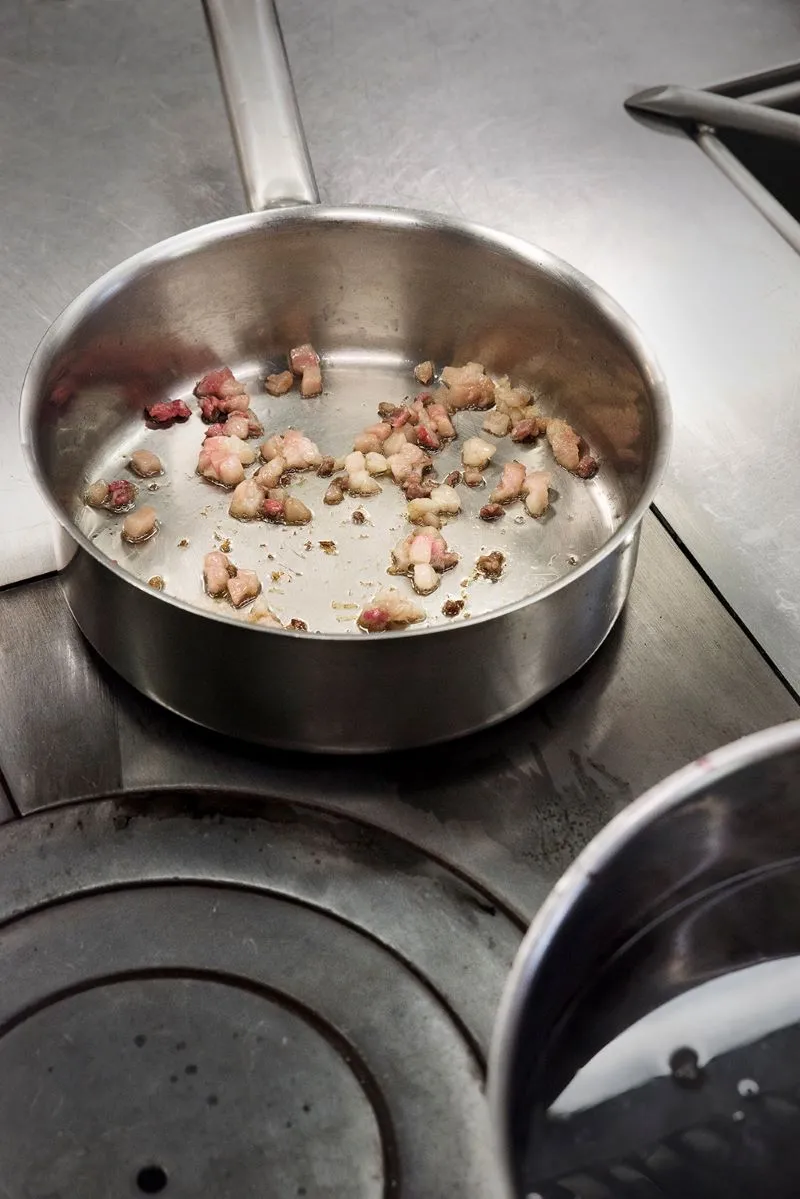
Through her lens, Isabelle Smolinski also brings to life the dynamic world of chefs and their culinary creations. They capture the transformation of simple ingredients into intricate dishes, the artistry in the chefs’ movements, and the beauty of the final plated masterpieces. This approach not only showcases the dishes but also honors the craft and creativity behind them. Cyme sought to explore the insights and techniques of her work throughout this interview. Join us as we dive into their journey, discovering the passion, artistry, and innovation that define their work in culinary photography.
Going Beyond the Essence of Food: Isabelle Smolinski's Exploration of Culinary Beauty
Your culinary photos show both the beautiful dishes and the chefs at work. What do you love about this culinary craft?

You love floral art. Does it have anything in common with culinary photography?

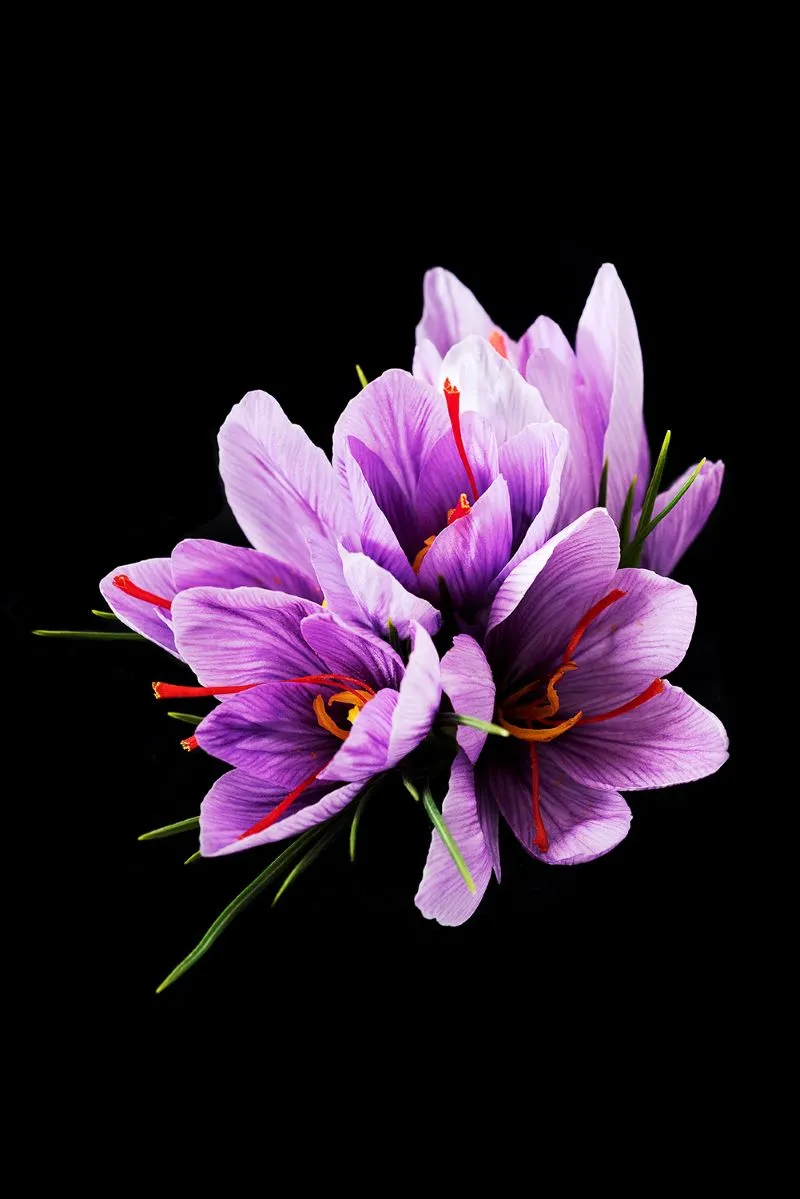
Do you have to be a gourmet to take good food photos?
“You need to find the right angle and apply the perfect lighting to make it appear lively and expressive”
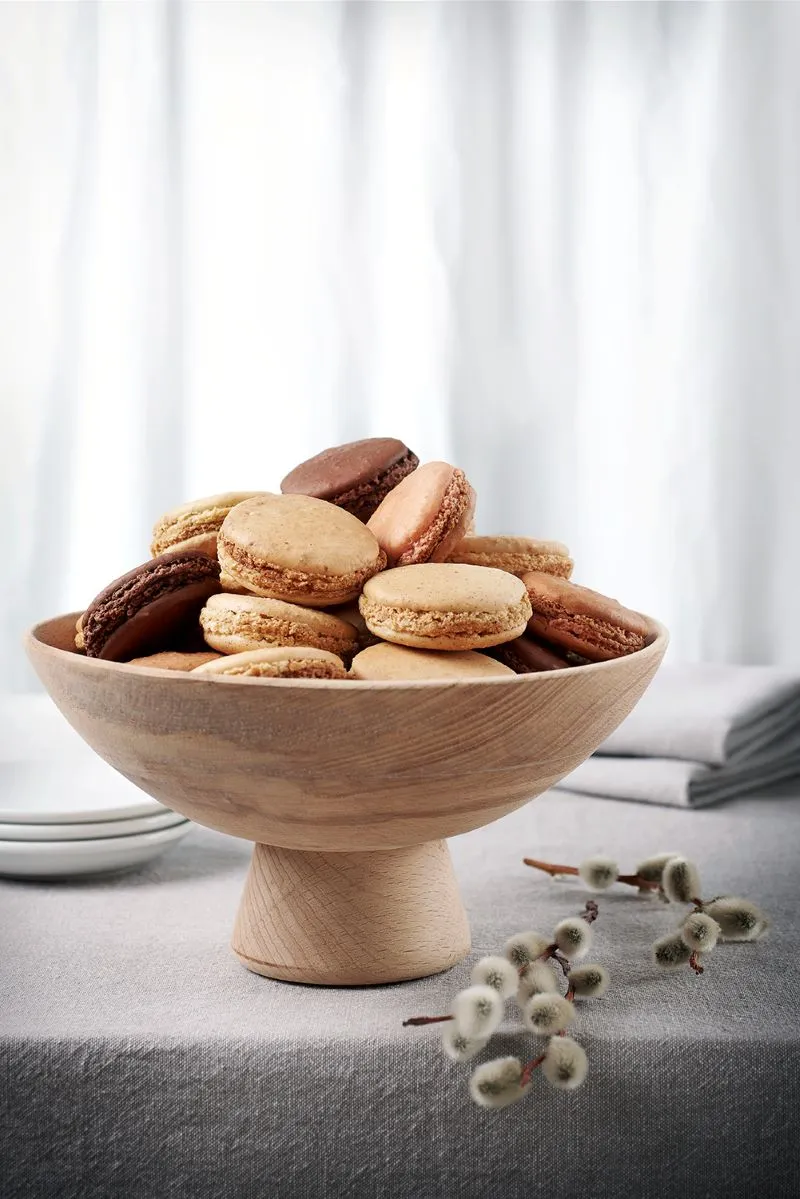
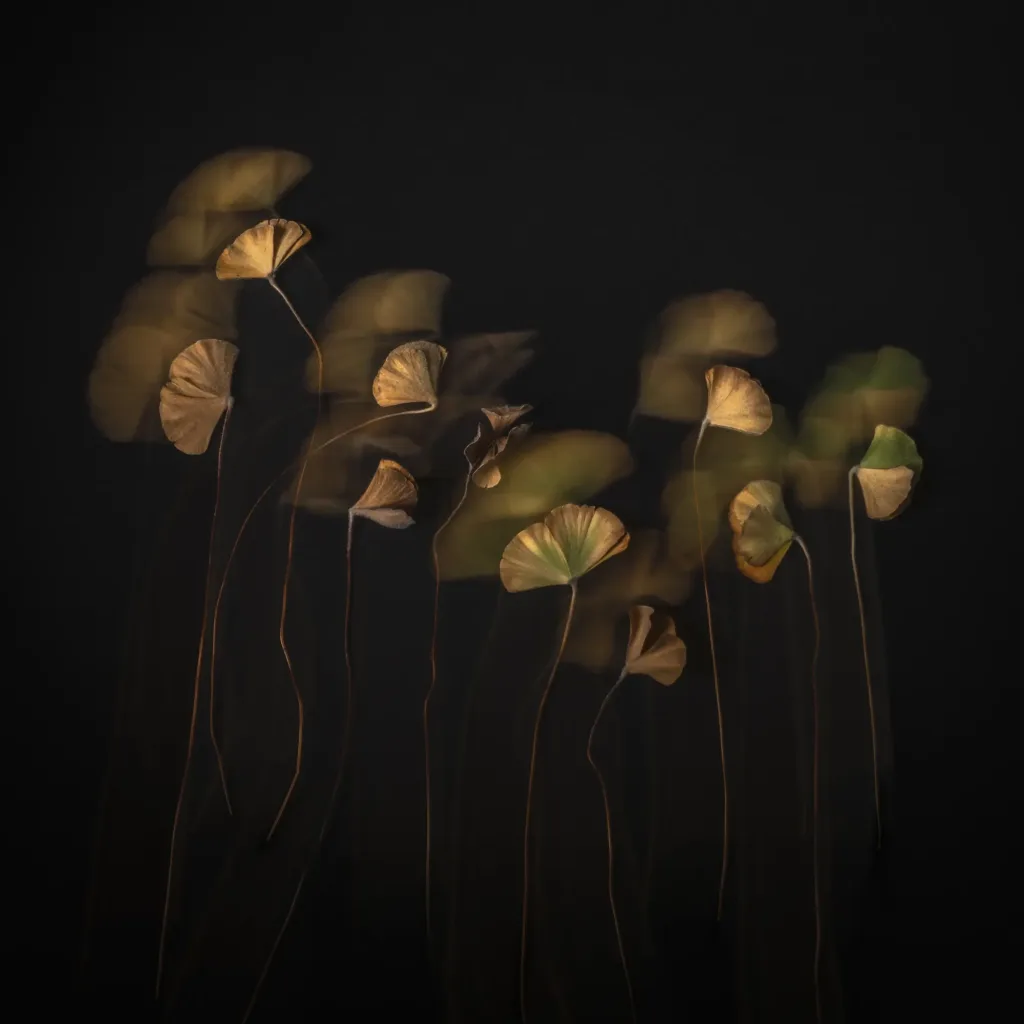
In your edible plant compositions, you marry the two and recompose your photos. Your photographs are reminiscent of the still lifes of Flemish painting. How did you arrive at this mode of creation?
Smolinski's career path : from passionate photographer to profession
What drew you to food photography?
As a child, I loved painting, and I was particularly interested in still life painting, which depicts flowers as well as fruit, vegetables and edible foods. I think that this was the first step towards food photography. Then, the second step was that, being a real gourmet, I could only go in that direction. For me, food photography is really about making something that’s primal beautiful. Eating is a primary need. To take the time to see this essential thing in all its beauty, to perceive it as a priceless gift, to feel something beautiful yet raw and simple.
“For me, food photography is really about making something that’s primal beautiful.”
How did you come to meet great chefs like Anne-Sophie Pic, the three Michelin-starred French chef?
As a child, I loved painting, and I was particularly interested in still life painting, which depicts flowers as well as fruit, vegetables and edible foods. I think that this was the first step towards food photography. Then, the second step was that, being a real gourmet, I could only go in that direction. For me, food photography is really about making something that’s primal beautiful. Eating is a primary need. To take the time to see this essential thing in all its beauty, to perceive it as a priceless gift, to feel something beautiful yet raw and simple.
How do you go about working with chefs on culinary photos?
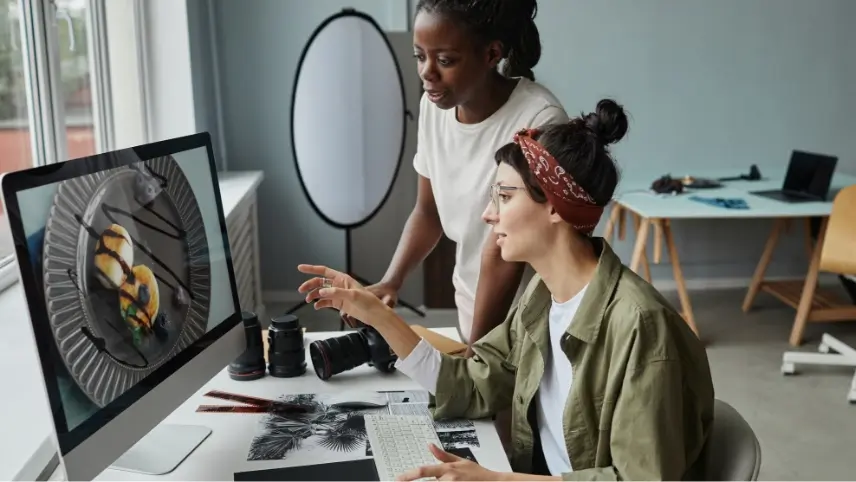
We discuss the dish and present the tableware in advance before the plate is assembled. Then, I suggest a location if a background is needed. We discuss the decor if necessary. All of this is prepared before the plate is assembled: we choose the place where the plate will be set to create the entire ambiance around it. For close-ups, I can guide the chef if needed to ensure the elements are not too spread out and are arranged in the most visually clear way for the photograph.
How do you see your profession evolving?
I’m not very optimistic. I started working in 2005, and since then, I’ve seen photographers’ prices drop and the number of commissions fall. Now, with the arrival of AI, it’s clear that there will be fewer orders for photographers. Sometimes, images can be created from start to finish very quickly with computers, without the need to set up a photo studio or go styling or shopping to create a setting or environment, especially in still life or food photography.
Culinary photography: what equipment? Which technique?
What kind of equipment do you use?
I use a Nikon D810 with two lenses. I have a 24-70mm, a versatile lens with which I shoot reportages, full-body or closer portraits, and also close-up shots like plate photography. For plate shots, I prefer to use my 50mm fixed lens. I have a flash sync lighting system that allows me to manage the lighting. I have two light sources, on which I place boxes to diffuse soft light, or bowls with honeycombs to achieve a more directed, sharper light with slightly harder shadows. I also use different silver or white reflectors that allow me to rotate the light around my subject, lighten darker areas, and shape the light as I wish. I work with a tripod most of the time for culinary photography, but not always. I even remember a photo session at a restaurant where I photographed the chef working in his kitchen. It was during the pass-through between the kitchen and the dining room, and I had 30 seconds to take the photo.
Apart from your floral arrangements, how do you retouch your photos?
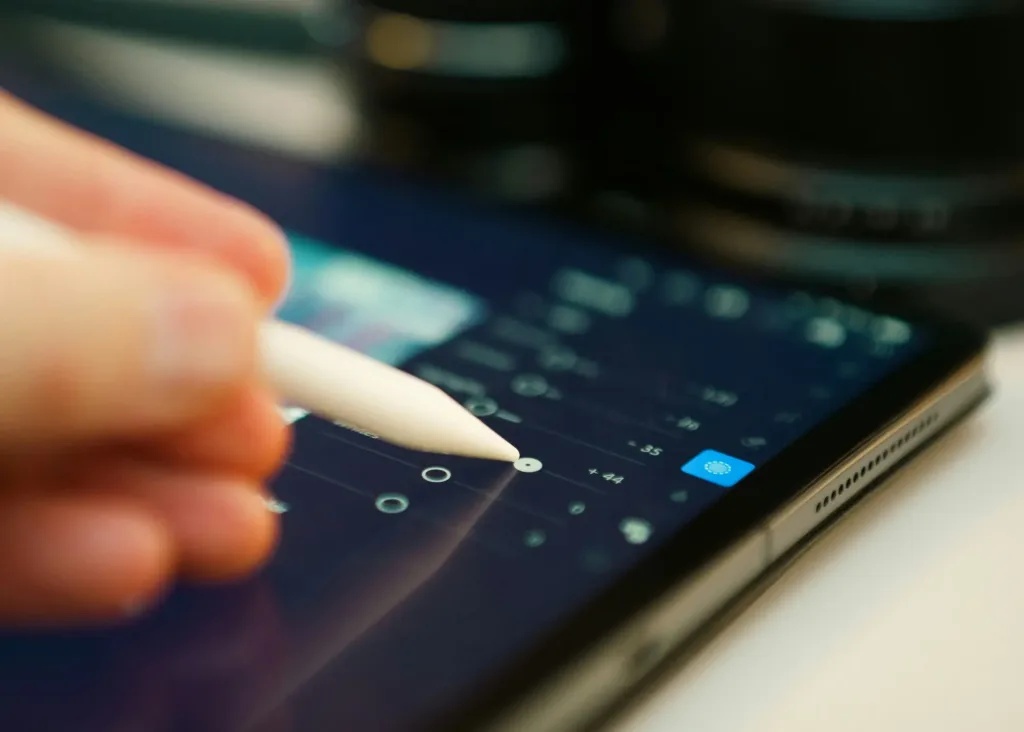
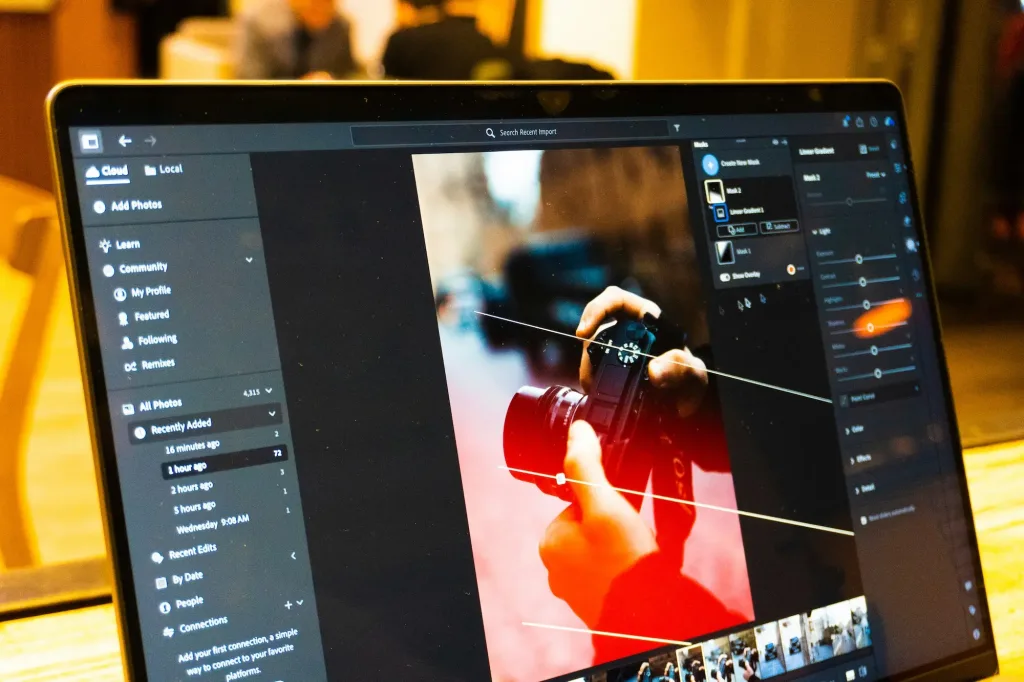
For my retouching process, I shoot in RAW format, which I open directly in Photoshop. Photoshop launches an application for developing NEF files [Nikon Raw Image file], allowing me to manage exposure, contrast, light or dark tones, color temperature, and saturation. I make slight adjustments, and then my NEF file opens in Photoshop. There, I create adjustment curves to manage contrast, soften the image and clogged areas, and add detail in places where highlights have removed too much detail. I sometimes rework the color temperature of specific elements, such as enhancing the greens in a bouquet of flowers to restore freshness. I save my file in PSD format because I work with different layers, enabling me to revisit and refine the retouching using blending modes for greater detail and finesse.
After a photo shoot, how do you go about saving and filing your photos?
After a photo shoot, I edit by making an initial selection of images, which I often refine with a second round to choose the most expressive, characteristic, aesthetic, and meaningful photographs. I then retouch them in Photoshop and add keywords via Bridge, the software I use to organize my files and photos using a keyword system. Finally, I save all my work in a folder organized by dates and themes.
What advice would you give to a young photographer starting out?
If I had one piece of advice to give to a young photographer starting out, it would be to have more than just photography as a professional activity. This way, you can feel comfortable creating your own images and projects, whether personal or commissioned, while having a safety net until you are established in the profession. It’s important to have a network of people to help you set up projects. I’m thinking of the Union of Professional Photographers (UPP), which has created questionnaires and gauges to assess photographers’ financial status. Recent surveys can give you an idea of what the job market looks like in photography today.