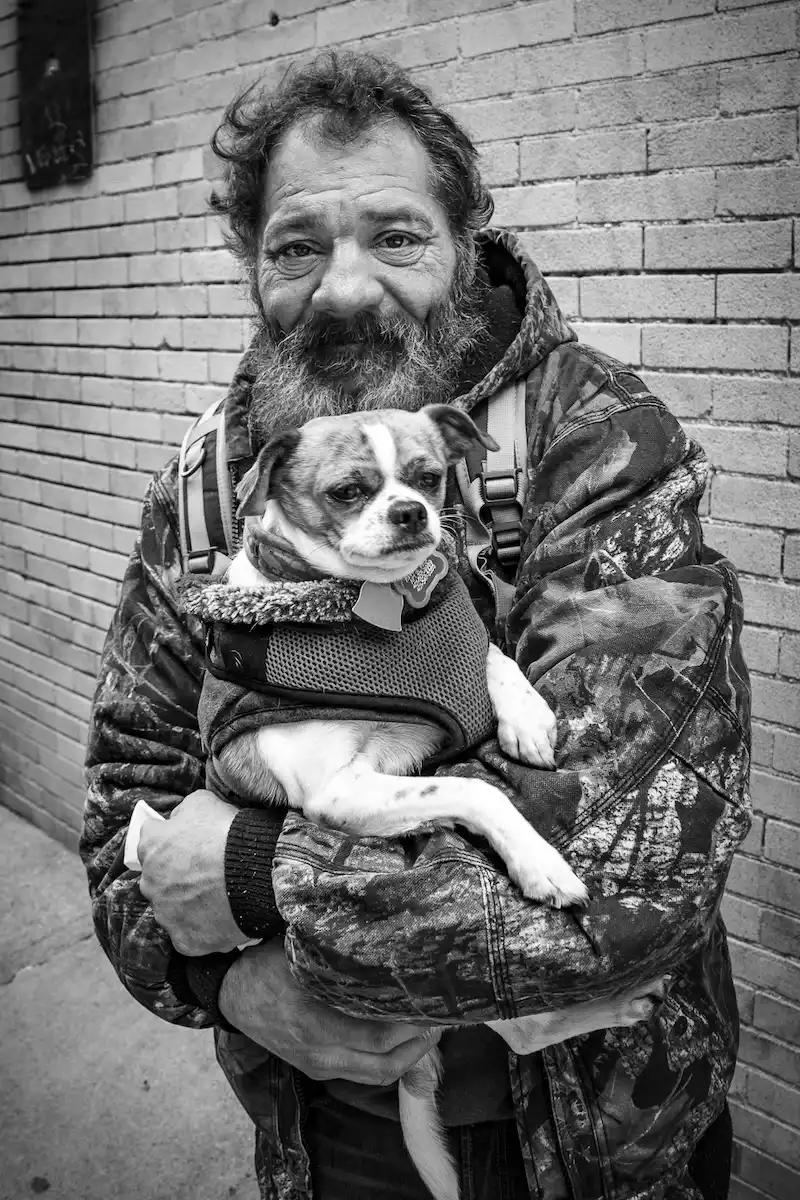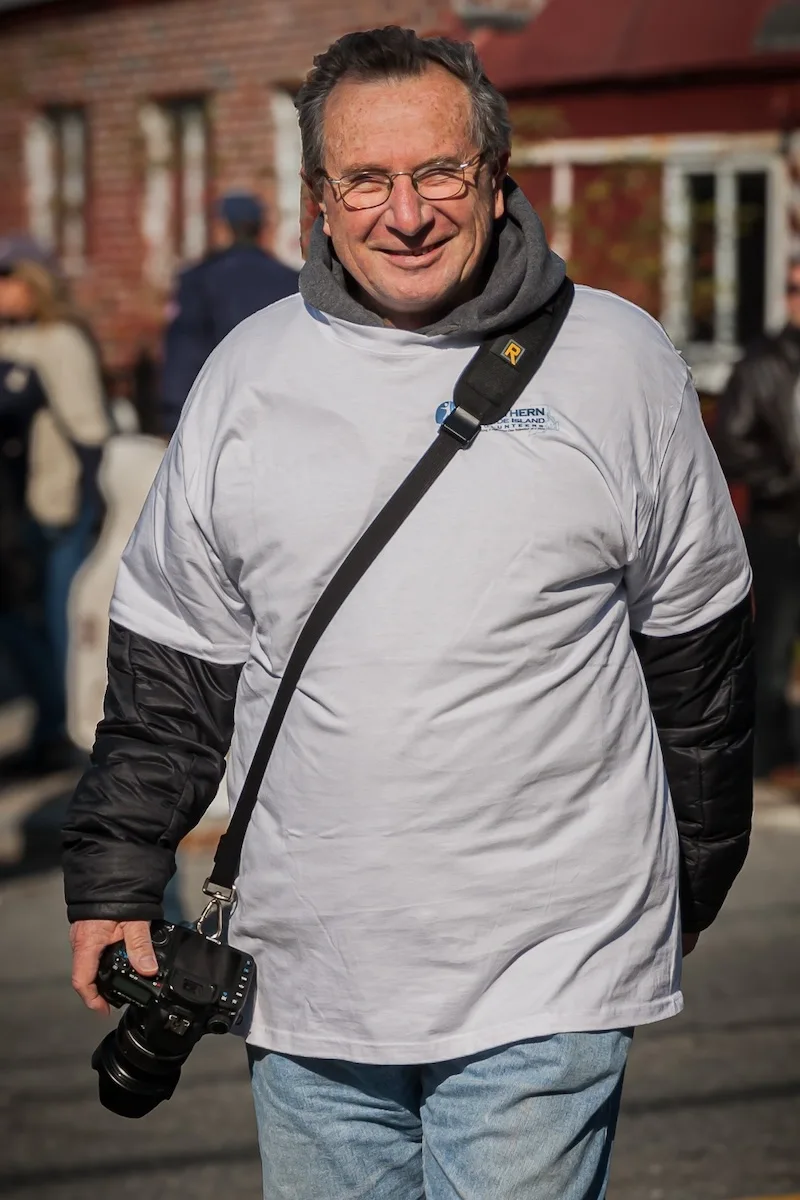


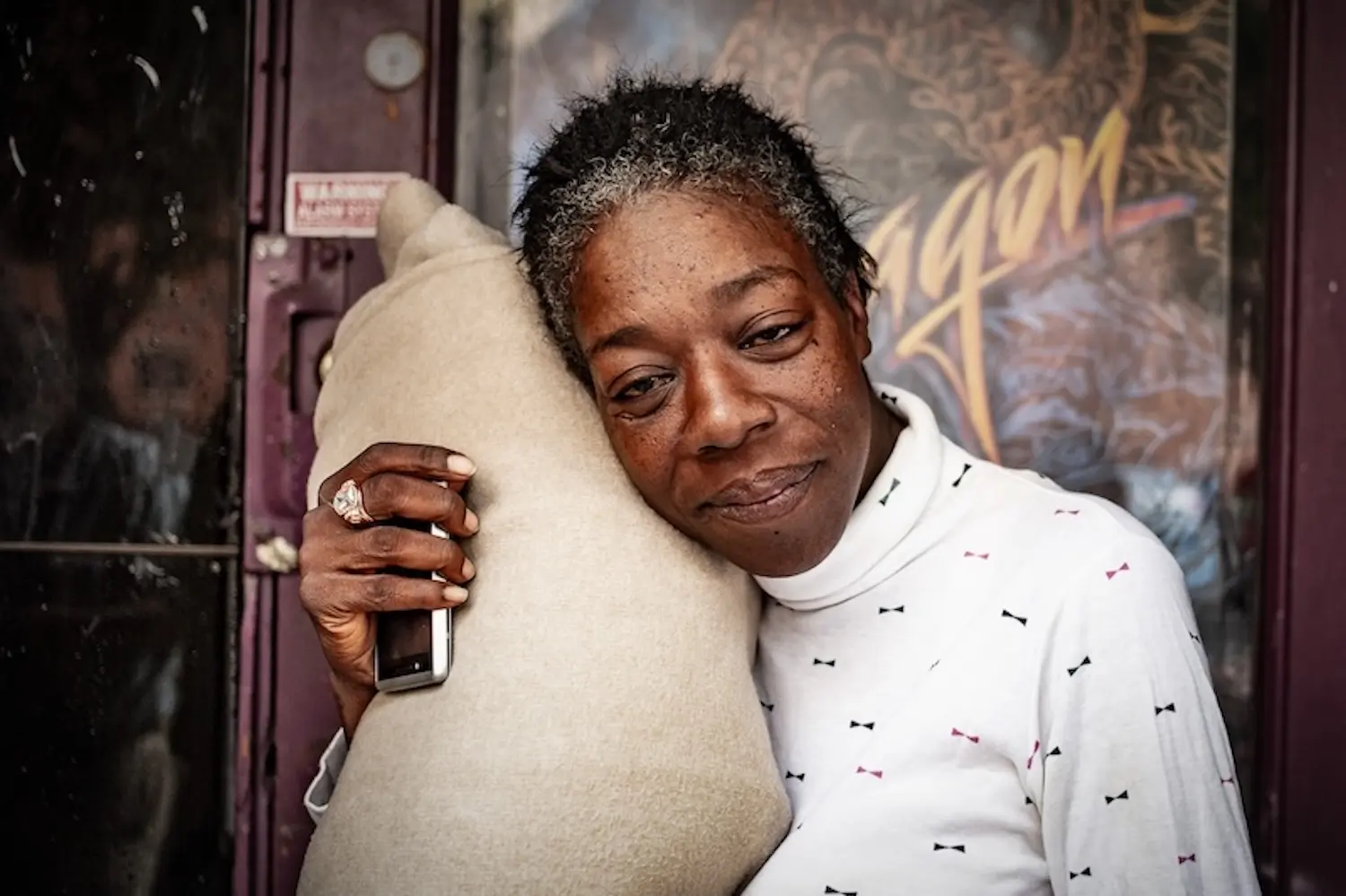
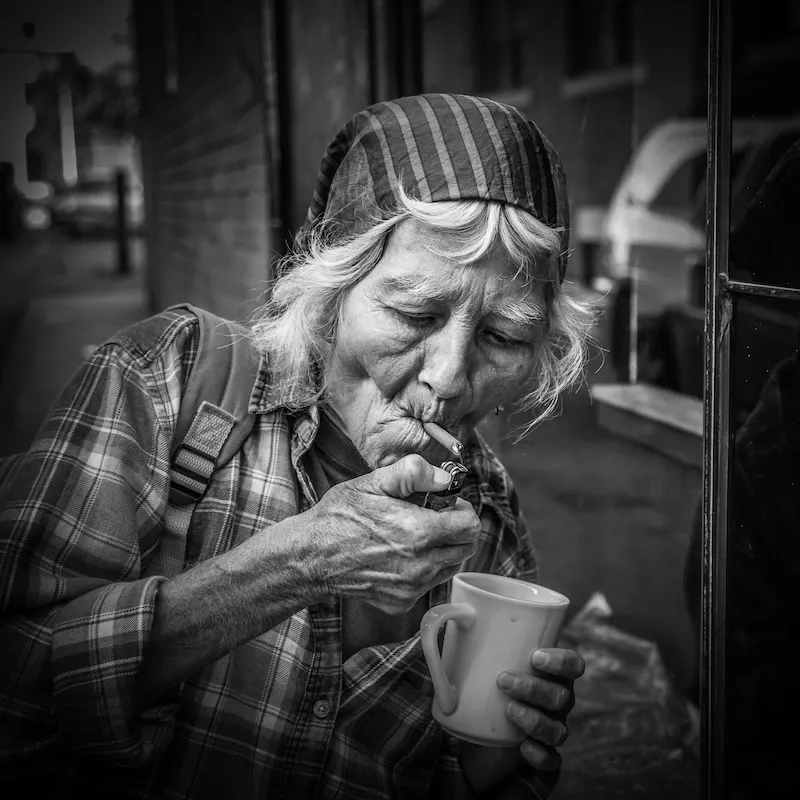
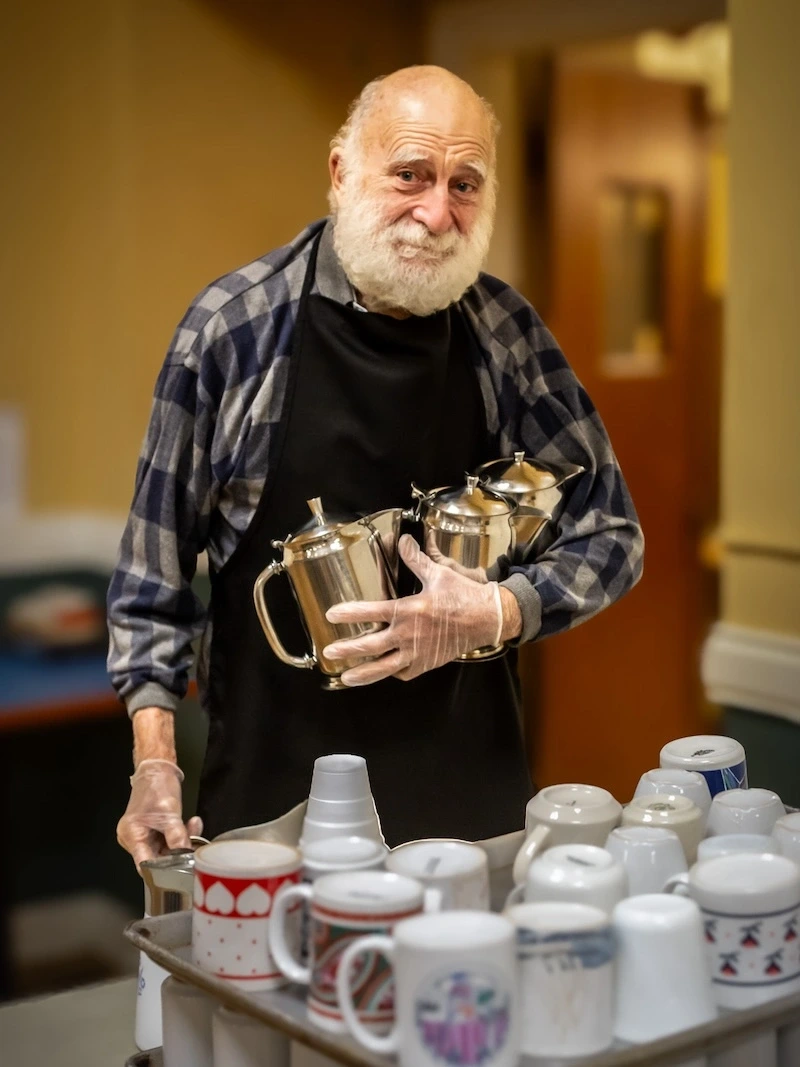
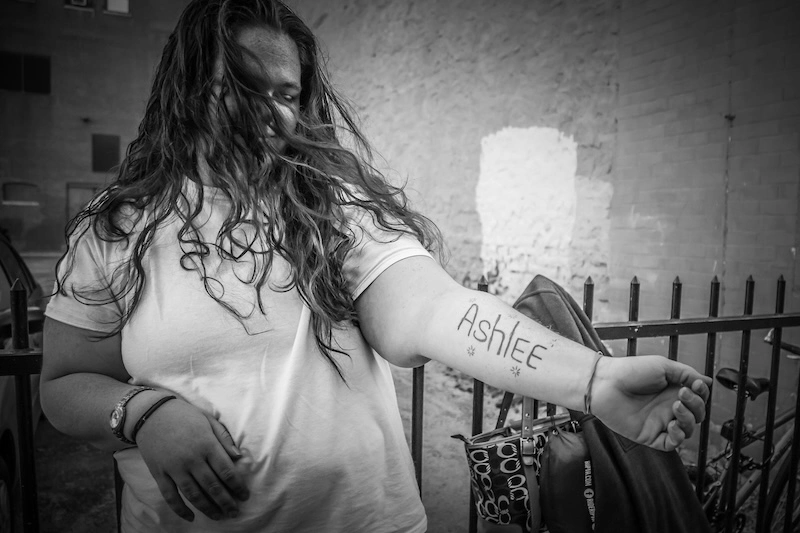
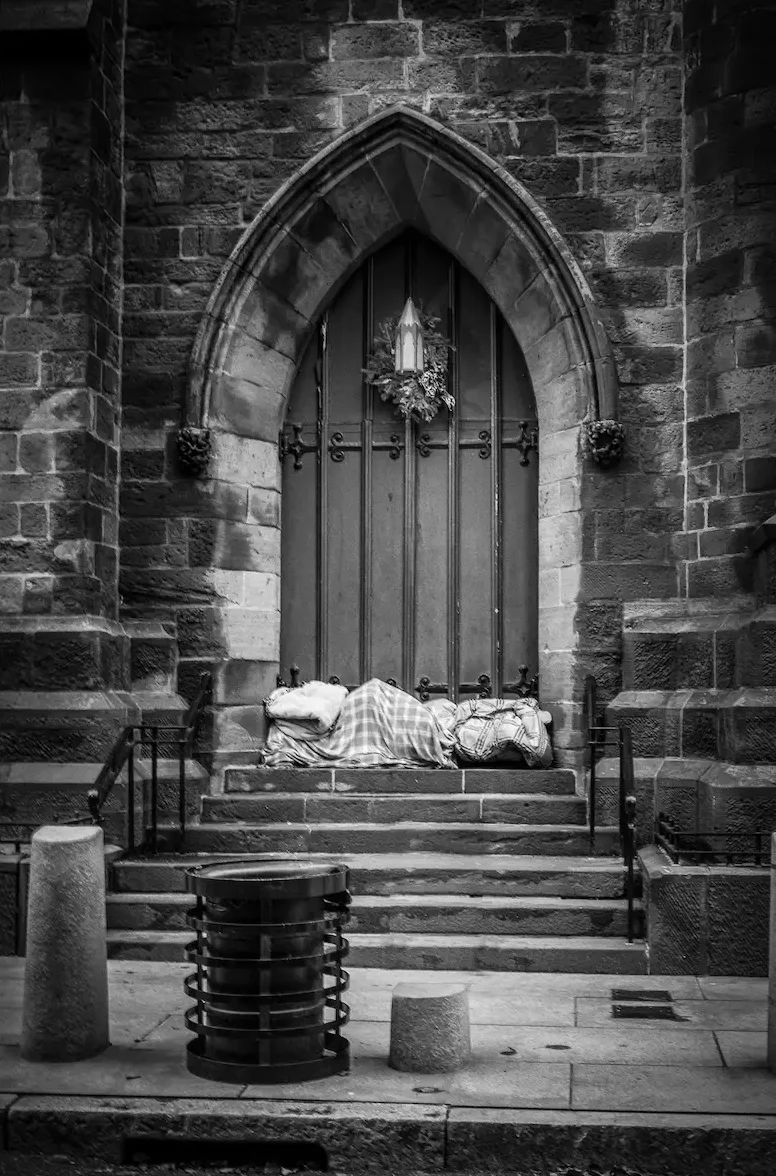
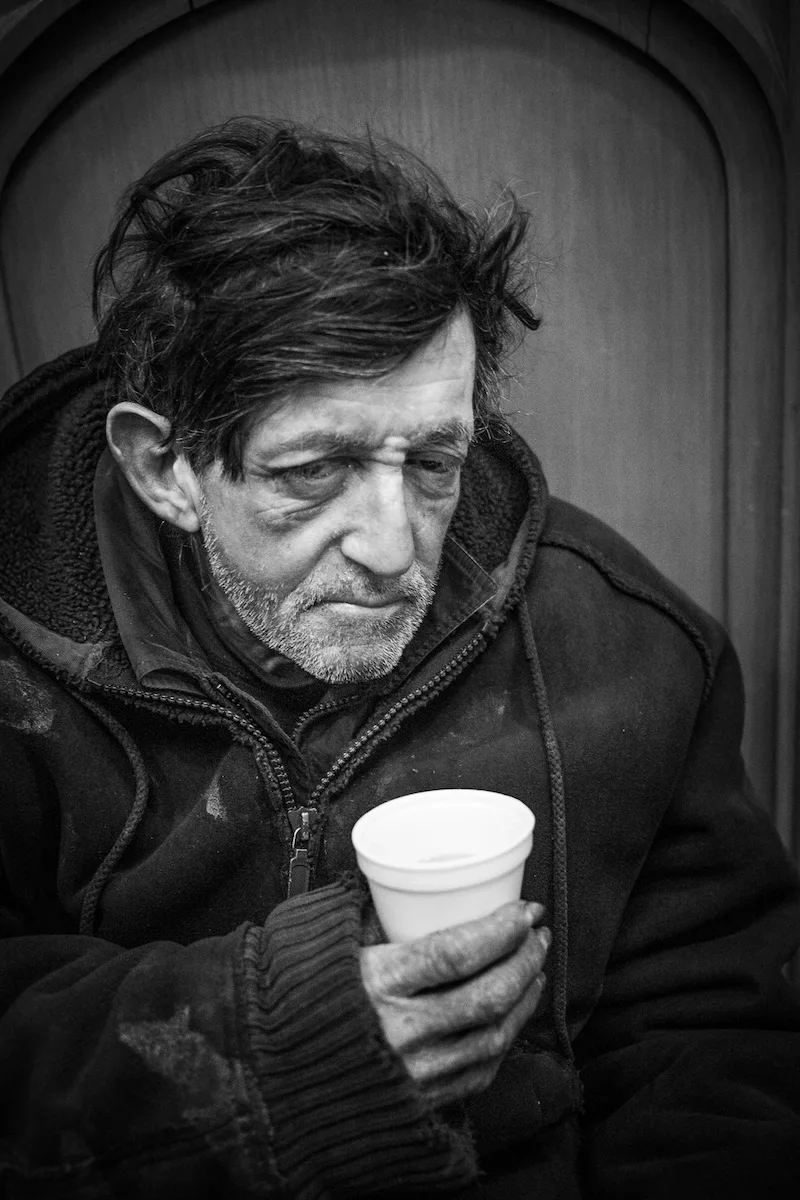
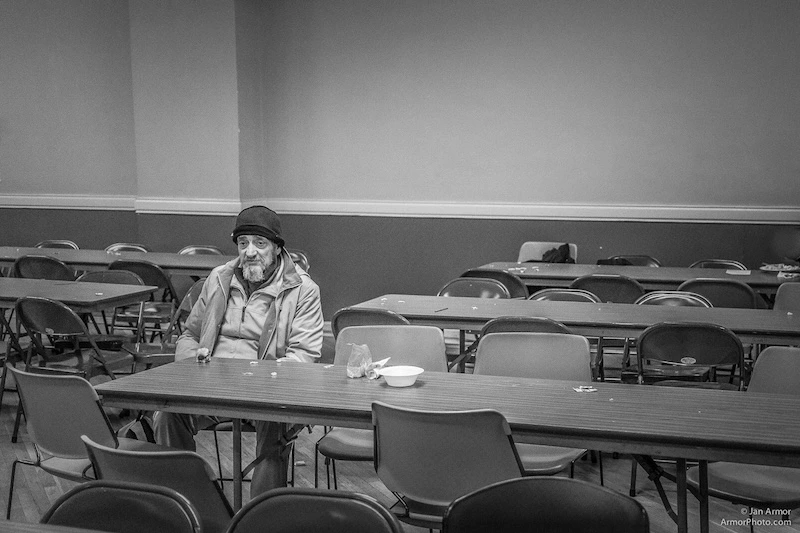
For over thirty years, Jan Armor has been a fine art photographer and an educator, passionately sharing the world as he sees it. In his series “The Invisibles,” he captures the portraits of people in need who frequent the Mathewson Street United Methodist Church in Providence where meals, clothing, and, thanks to him, photos are distributed. Nicknamed Photoman, Jan Armor takes pictures of those who wish to be photographed.
In a world where images of homelessness often depict individuals in desperate and dehumanizing situations, Jan Armor stands out for his compassionate approach. Through his photography, he seeks not only to document the lives of those experiencing homelessness but also to restore their dignity and humanity in the eyes of the viewer. Today, we delve into his perspective, exploring his motivations, techniques, and the profound impact of his work.
What inspired you to start the series 'The Invisibles’?
A pastor at a local church asked me to photograph her cadre of teen volunteers at their weekly “home fries cook off,” held on Saturday afternoons. She mentioned these home fries were part of the breakfast served up in a soup kitchen in Providence, RI. She mentioned the effort was called “The Sunday Friendship Breakfast.” I was curious and taken by the name. I called the church where the breakfast was served and asked if I could visit, perhaps take a few photos for publicity. That was about ten years and thousands of photographs ago.
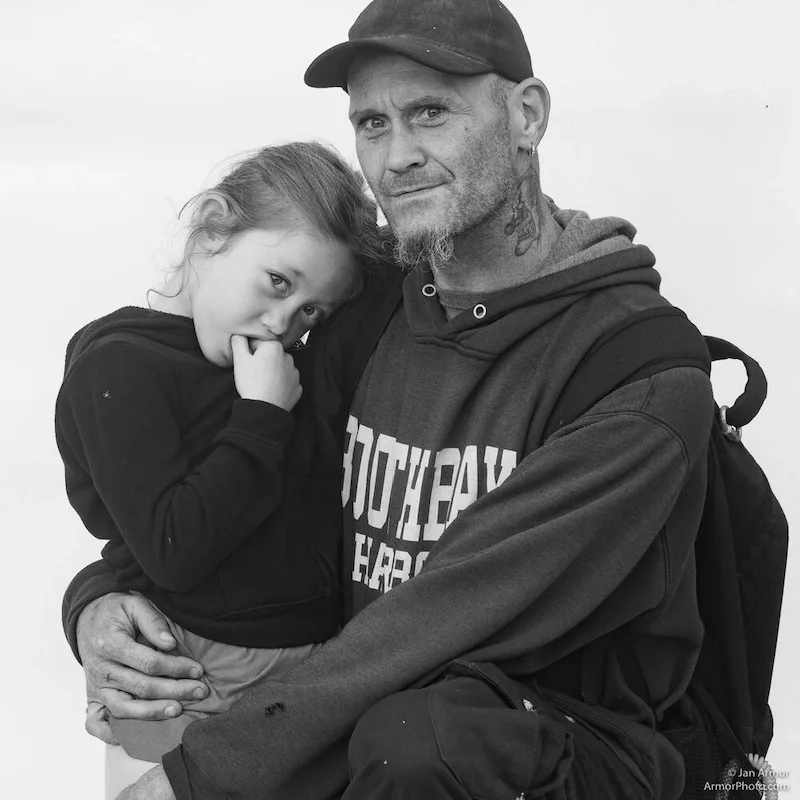
My subjects mostly selected me. During first few Sunday visits I made pictures of busy workers who prepared the breakfasts. These were volunteers from all walks of life… from business men and women to school teachers to physicians to homeless folks living on the street. At later visits I sat with the people while they ate their meal and chatted with them. Some had been coming for this meal every Sunday for years. I soon realized that beyond the hearty breakfast, many of the men and women longed for someone to talk to, someone with a listening ear. So I listened.
Over the weeks many of these folks became friends. They often shared their ups and downs with me. Some asked if I would take their picture. They wanted to send a picture back home to family or friends. I was happy to comply. I would come back the next week with prints for them. This was well received and soon became a popular routine. I became know as Photoman” instead of Jan. I often heard, “Hey, Photoman, would you take my picture please, I want to give it to my Mom?” I never refused.
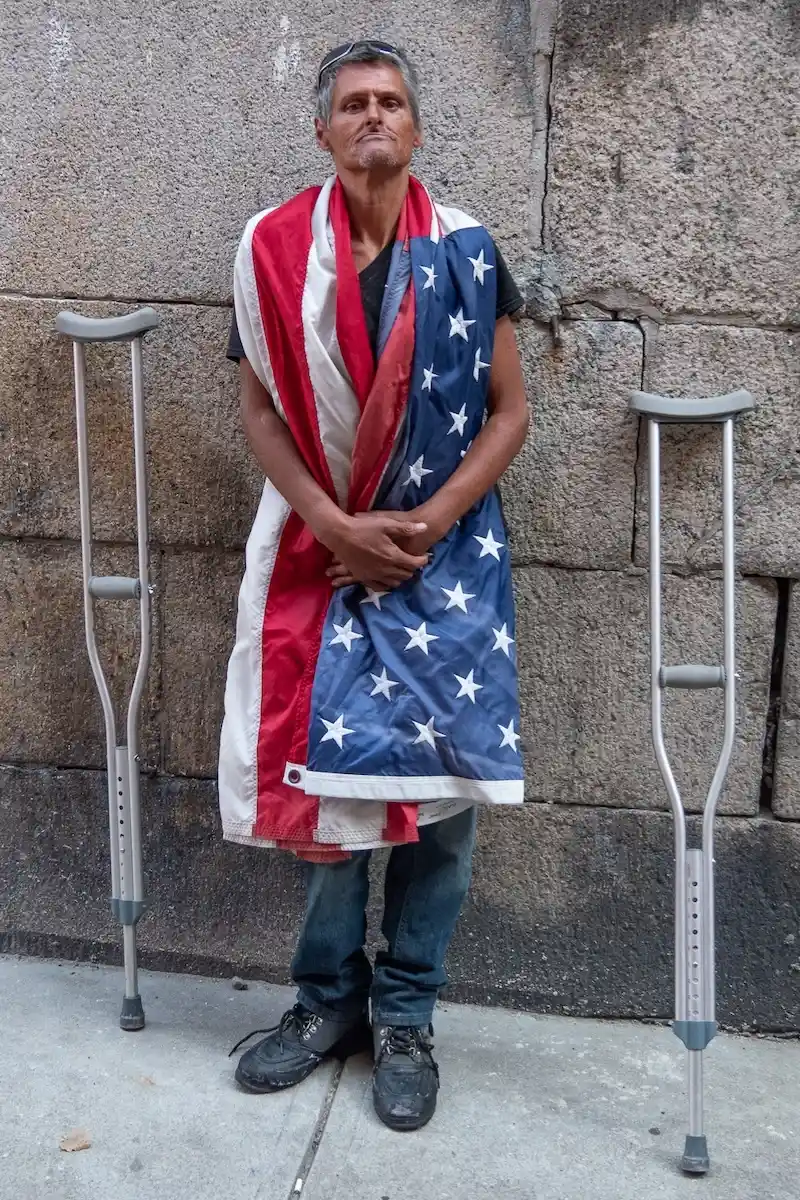
Your portraits convey a sense of affection for the person being photographed. What message were you aiming to convey to the audience?
“I try to convey my subject’s humanity. That these are real people, just like you and I.”
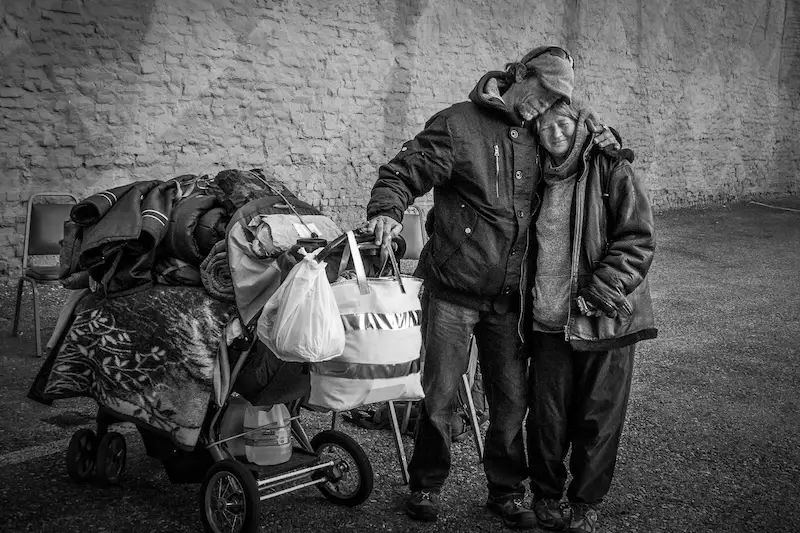
How do you think these portraits might impact the individuals you photograph?

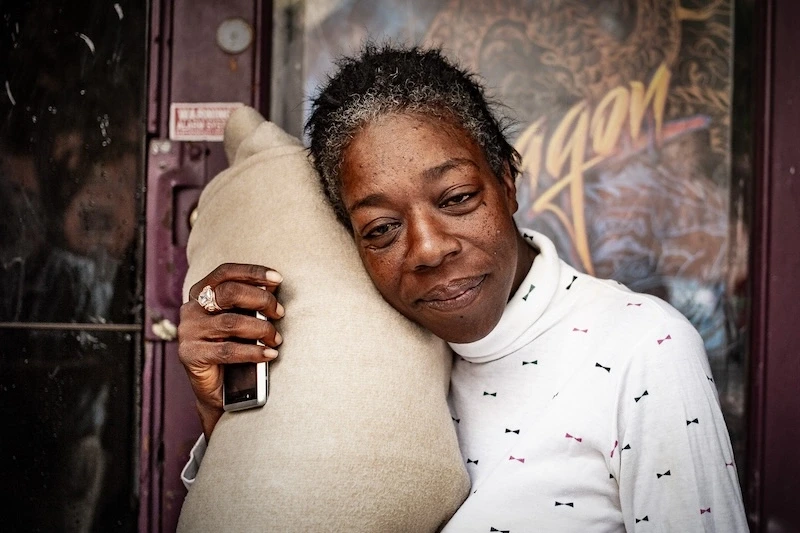
All your photos are accompanied by a brief caption about the person being photographed. What has this work with the homeless at the Mathewson Street United Methodist Church taught you personally?
How did you become a photographer?
Like so many other photographers, when I was a kid I was mesmerized by the magic picture that slowly appeared in my tray of Dektol as I stood in the glow of my yellow safelight. I knew then and there that I wanted to do this.
What do you enjoy about teaching photography?
I love sharing the joys of this craft with others. And I always learn more than my students in every class I teach.
What type of equipment do you most often use for your shots?
I’ve used many cameras during my career, from 8×10 view cameras to the iPhone. For most of these images my camera of choice is my tiny Panasonic Lumix mirrorless camera. It is very fast, non-threatening and completely silent.
You teach photography courses on iPhone. What do you enjoy about iPhone photography?
Everyone has one in their pocket or purse. It’s easy. It’s spontaneous. And it makes great pictures. Furthermore, there is way more to this little device than meets the eye.
“For most of these images my camera of choice is my tiny Panasonic Lumix mirrorless camera. It is very fast, non-threatening and completely silent.”
Do you extensively edit your photos in post-processing?
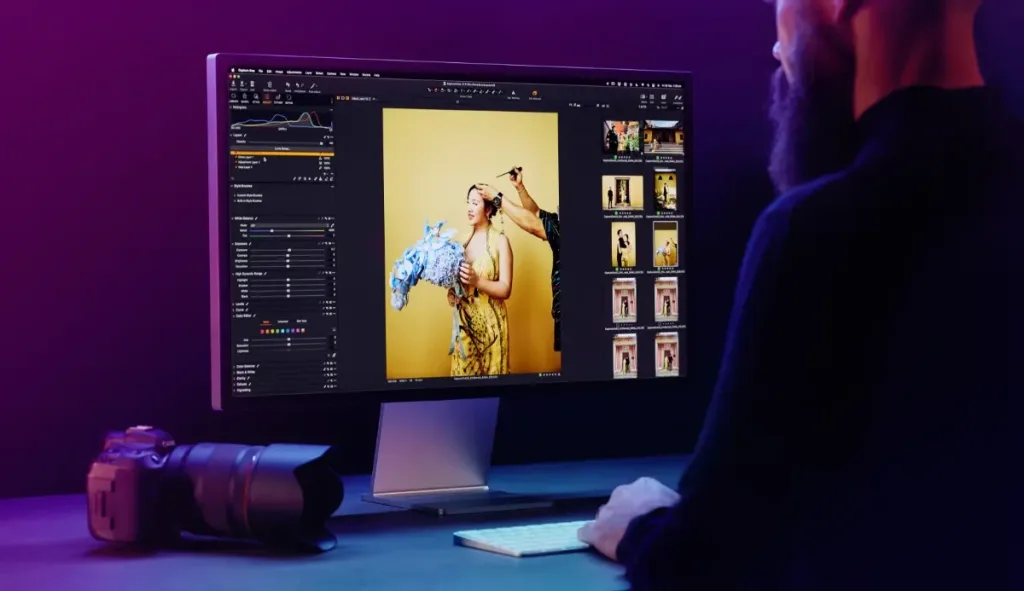
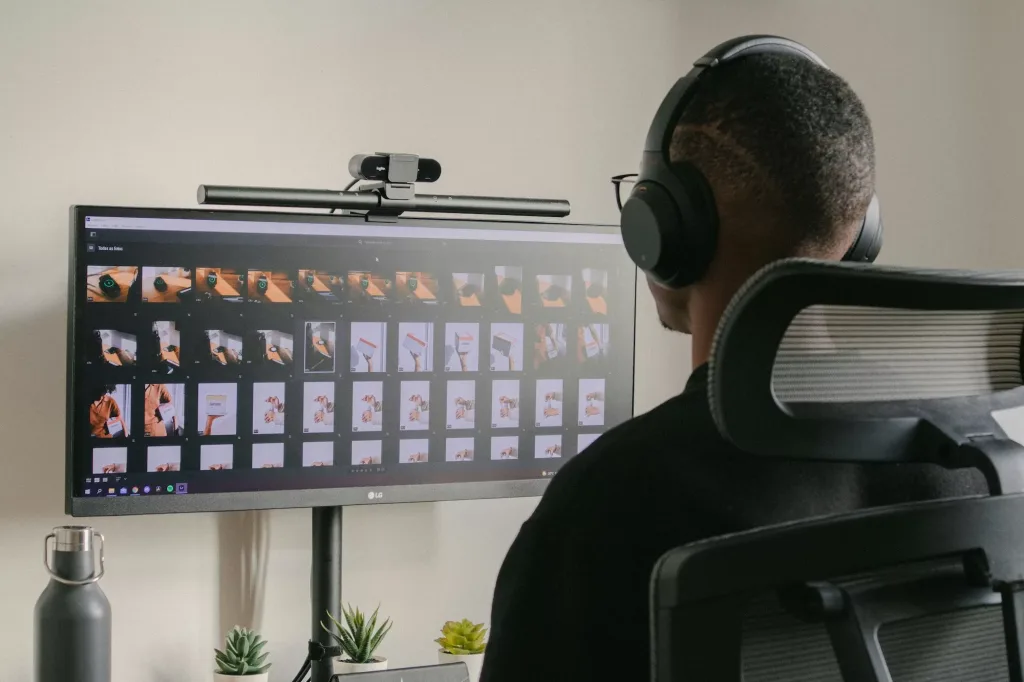
I use Photoshop, Lightroom Classic, Snapseed and Procreate, often moving back and forth between all of these applications.
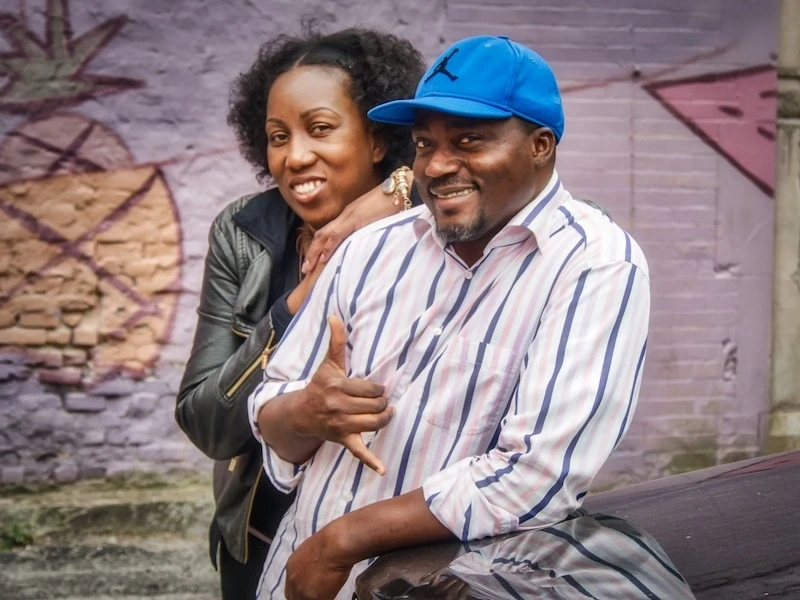
Do you have a specific workflow for importing, organizing, and backing up your photos? Do you use any software or tools for photo management?
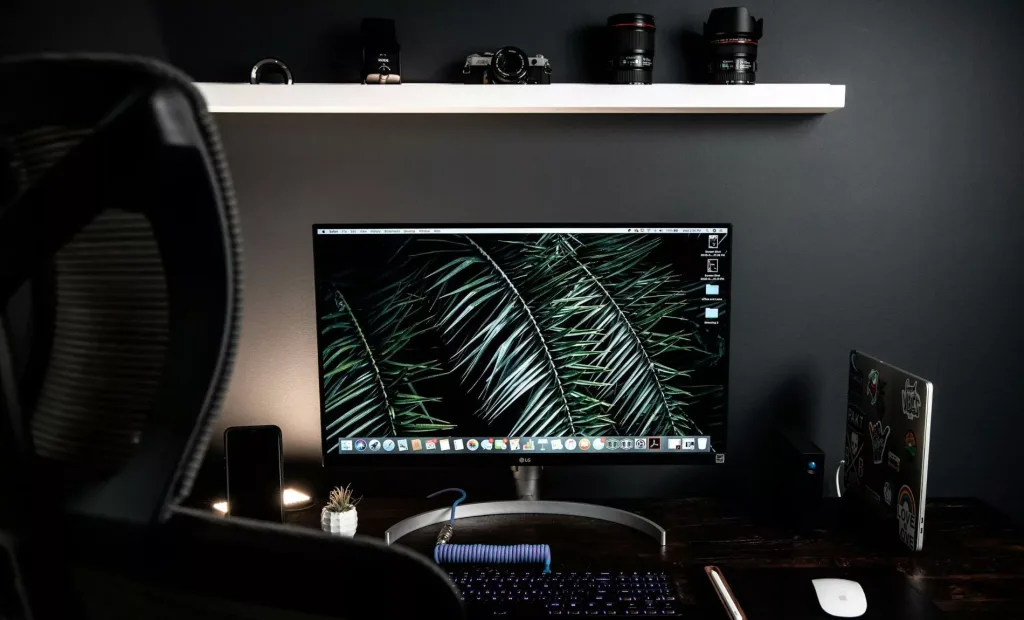
I import and keyword my pictures into Lightroom Classic and/or the Apple Photos app. They are stored and backed up on many volumes. The Peakto app has been very helpful. I have rediscover images buried in many places on many hard drives thanks to Peakto.
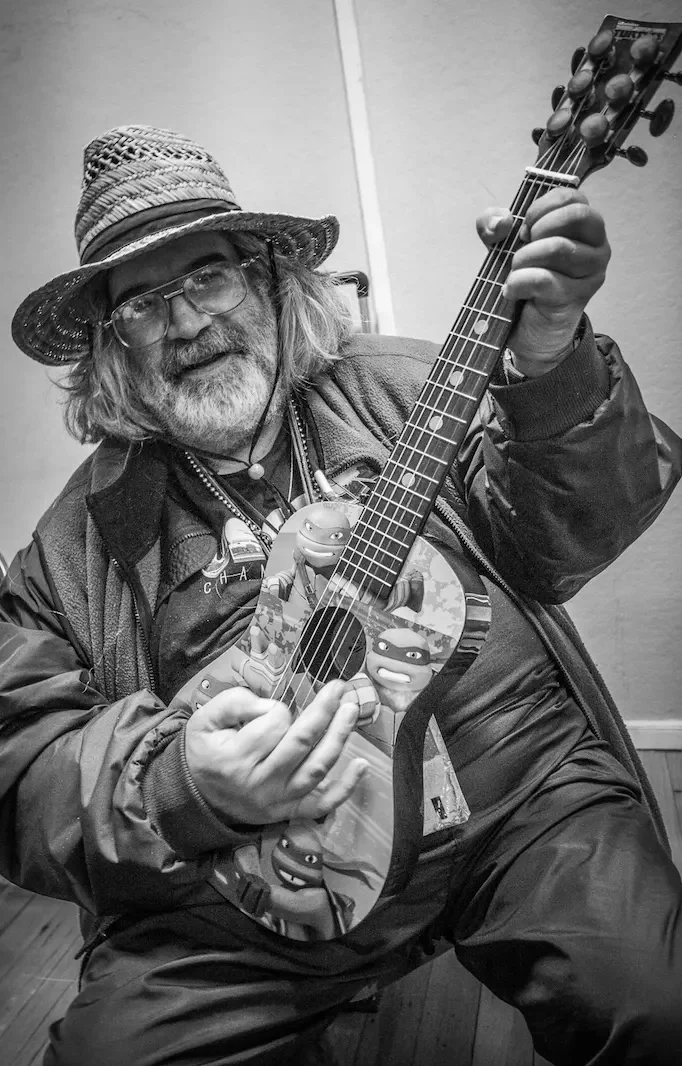
What advice would you give to a young photographer?
Develop your vision. Study the work of good photographers, living and dead. At the same time learn the craft of photography.